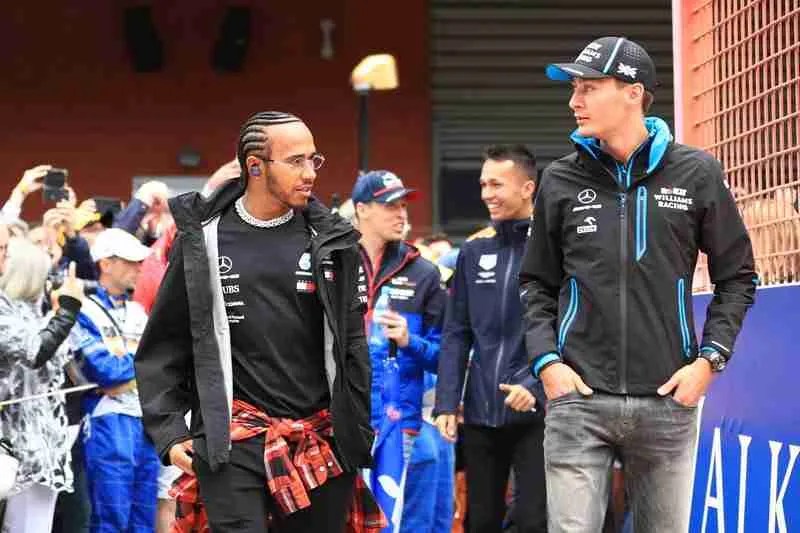
F1 Driver George Russell Height In Feet: Full Stats
Lead: The physical attributes of Formula 1 drivers are a frequent point of discussion among enthusiasts, with specifics like George Russell height in feet often drawing significant attention. Beyond mere curiosity, a driver's stature can have subtle yet important implications for car design, ergonomics, and overall performance in the intensely competitive world of F1. This article delves into the precise measurement of George Russell's height, exploring why such details resonate with the sport's global fanbase and the broader context within elite motorsport.
What Is george russell height in feet?
George Russell, the accomplished British Formula 1 driver for the Mercedes-AMG Petronas F1 Team, stands at an approximate height of 6 feet, 1 inch (or 185 centimeters). This measurement places him among the taller drivers on the current F1 grid. While seemingly a simple metric, a driver's height, combined with their weight, is a critical factor evaluated by teams during car development. F1 regulations specify a minimum driver-plus-seat weight, meaning taller, heavier drivers can sometimes present engineering challenges in achieving optimal car balance and performance without exceeding overall weight limits.
Why george russell height in feet Is Trending
Interest in George Russell height in feet often spikes for several reasons, reflecting the multifaceted nature of fan engagement in modern F1:
- Driver Profile Curiosity: Fans are naturally interested in the complete profile of their favorite athletes, extending beyond on-track performance to personal attributes.
- Comparative Analysis: Russell's height often becomes a talking point when discussing driver ergonomics and the physical demands of fitting into the compact F1 cockpit, especially compared to shorter drivers on the grid.
- Media Coverage: Sports media outlets frequently touch upon driver physicals as part of pre-race analysis or driver interviews, amplifying these details.
- Fantasy F1 and Gaming: In fantasy leagues and racing simulations, detailed driver statistics contribute to a more immersive and realistic experience, where even height can be a data point.
Dates, Locations, or Key Details
While a driver's height is a constant personal attribute, its relevance to F1 is always current, particularly as car designs evolve year-to-year. George Russell's height, approximately 6 feet, 1 inch, is a detail consistently included in official driver profiles provided by the FIA (motorsport's governing body) and F1 teams like Mercedes. These profiles are updated annually for the start of each championship season, offering a comprehensive look at each competitor. The data is significant across all F1 circuits globally, from the tight turns of Monaco to the high-speed straights of Monza, where driver comfort and control within the cockpit are paramount.
How To Get Involved or Access george russell height in feet
For fans interested in specific details like George Russell height in feet and other driver attributes, several official and reputable sources provide this information:
- Official F1 Website: The Formula 1 website (Formula1.com) features comprehensive driver profiles, including biographical details, height, weight, and career statistics.
- Team Websites: Mercedes-AMG Petronas F1 Team's official site often provides detailed profiles of its drivers.
- FIA Official Documents: The Fdration Internationale de l'Automobile (FIA) publishes various documents and statistics related to drivers and teams.
- Reputable Sports Media: Outlets such as ESPN, Autosport, and Sky Sports F1 regularly report on driver profiles and related physical statistics as part of their F1 coverage.
What To Expect
- Comprehensive Driver Profiles: Expect to find George Russell's height alongside other vital statistics on official F1 and team platforms.
- Contextual Discussions: The information often appears in discussions regarding driver fit, car design, and the physical demands of Formula 1 racing.
- Consistent Reporting: Reputable sources maintain consistency in reporting these factual details year-on-year.
The Broader Impact of george russell height in feet
A driver's height, such as George Russell height in feet, carries significant implications beyond mere statistics, impacting both engineering and marketing within Formula 1. From an engineering perspective, taller drivers present challenges in packaging the driver within the highly constrained cockpit space, affecting everything from seat position and pedal placement to the center of gravity and aerodynamic efficiency. Teams must meticulously design around these physical variables to maximize performance. Culturally, these details contribute to the narrative around drivers, fostering fan connections and providing relatable human elements in a high-tech sport. It underscores the human-machine interface at the core of F1.
The physical dimensions of a driver are a fundamental consideration during the initial design phases of an F1 car, states a Mercedes F1 engineer. Every millimeter counts for weight distribution and aerodynamics. Taller drivers require innovative solutions to maintain comfort and safety without compromising performance.
Economic or Social Insights
The detailed profiling of F1 drivers, including statistics like George Russell height in feet, plays a subtle yet crucial role in the sport's economic ecosystem. Merchandise sales, personal branding, and media partnerships often leverage the complete persona of a driver. An accessible and comprehensive public profile makes a driver more relatable and marketable. Publications like Sports Business Journal frequently highlight how driver marketability, influenced by both on-track prowess and off-track personality and attributes, directly impacts sponsorship appeal and viewership figures, thereby contributing to the sport's global revenue streams.
Frequently Asked Questions About george russell height in feet
- What is george russell height in feet? George Russell is approximately 6 feet, 1 inch (185 cm) tall, making him one of the taller drivers currently competing in Formula 1. This measurement is a standard part of his official driver profile.
- Why is george russell height in feet popular? Interest stems from general fan curiosity about driver attributes, its relevance to discussions about driver ergonomics and car design challenges in F1, and its inclusion in comprehensive driver profiles across various media platforms.
- How can people participate or experience it? While one cannot "experience" a driver's height directly, fans can engage by reviewing official driver profiles on Formula1.com, team websites, and major sports news outlets. This information helps build a deeper understanding of the physical demands on F1 drivers.
- Is it legitimate or official? Yes, information regarding George Russell height in feet is legitimate and can be found on official F1 and team websites, which are considered authoritative sources for driver statistics. The FIA also maintains official records for all licensed drivers.
- What can attendees or users expect? Those seeking this information can expect factual, consistent data across reputable sources. Understanding driver physicals like height provides context for discussions on F1 car design, driver comfort, and the unique challenges faced by athletes in this sport.
Conclusion
The discussion around George Russell height in feet exemplifies the granular level of detail that captivates Formula 1 enthusiasts and industry professionals alike. Far from a trivial fact, a driver's stature influences engineering considerations, contributes to their public persona, and enriches the broader narrative of the sport. It highlights the intricate balance between human physiology and cutting-edge automotive technology that defines Formula 1.
Call to Action: To delve deeper into the fascinating world of Formula 1 and explore comprehensive driver profiles, including physical attributes and career statistics, readers are encouraged to visit the official Formula 1 website (Formula1.com) and follow the Mercedes-AMG Petronas F1 Team's verified social media channels for the latest updates on George Russell and the sport.