Germany's Currency: Which Currency Germany Use?
Lead: For many navigating international finance or planning a European excursion, understanding which currency germany use is a fundamental starting point. Germany, a cornerstone of the European Union and a global economic powerhouse, transitioned from its historic Deutsche Mark to the Euro decades ago. This shift represented a monumental step towards deeper economic integration across the continent, profoundly impacting trade, travel, and daily life. This article explores the Euro's role as Germany's official currency, its background, its significance for U.S. readers, and what to expect when engaging with the German economy.
What Is which currency germany use?
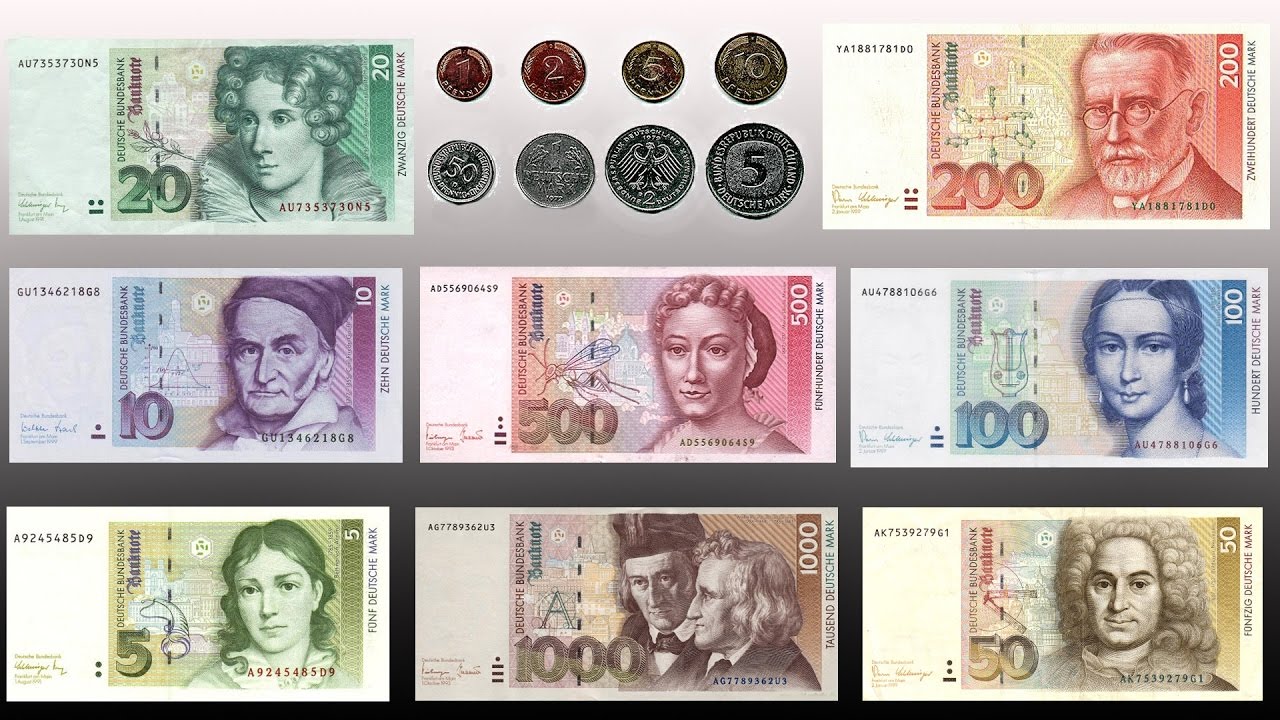
Germany, like 19 other member states of the European Union, officially uses the Euro () as its sole legal tender. The Euro is a relatively young currency, formally introduced to financial markets on January 1, 1999, and physically launched with banknotes and coins on January 1, 2002. It replaced the national currencies of participating countries, including the venerable Deutsche Mark (DM) in Germany.
- Official Currency: The Euro ()
- Symbol:
- Currency Code: EUR
- Introduction Date (Physical): January 1, 2002
- Issued By: The European Central Bank (ECB)
Why which currency germany use Is Trending
The question of which currency germany use remains highly relevant for several reasons, particularly for U.S. audiences. Germany's robust economy and position as a leading global exporter make its currency a crucial factor in international trade and investment. For tourists, knowing the currency is essential for budgeting and transaction planning. Moreover, the stability of the Euro often serves as an indicator of broader European economic health, drawing interest from financial analysts and economists. As global travel resumes and economic ties strengthen, understanding the Euro's presence in Germany is more pertinent than ever for business, leisure, and financial literacy.
Dates, Locations, or Key Details
The journey to the Euro was a significant undertaking for Germany and its European partners. The Maastricht Treaty, signed in 1992, laid the groundwork for the European Economic and Monetary Union (EMU), which included the adoption of a single currency. While the Euro existed as an accounting currency from 1999, it wasn't until the start of 2002 that German citizens began to use Euro banknotes and coins for everyday transactions. This transition, which included a dual-currency period where both the Deutsche Mark and the Euro were accepted, was executed smoothly across Germany and the broader Eurozone. The European Central Bank (ECB), headquartered in Frankfurt, Germany, is responsible for monetary policy for the Eurozone, ensuring price stability and managing the Euro.
How To Get Involved or Access which currency germany use
For U.S. readers planning a trip to Germany or conducting business there, accessing the Euro is straightforward:
- Exchange Currency at Banks or Bureaus: While possible, airport exchange kiosks often have less favorable rates. It's generally better to exchange a small amount before departure or use an ATM upon arrival.
- ATMs (Automated Teller Machines): Widely available across Germany, ATMs (Geldautomat) offer competitive exchange rates. Be sure to inform your bank of your travel plans to avoid card holds and inquire about foreign transaction fees.
- Credit and Debit Cards: Major credit cards (Visa, Mastercard, American Express) are widely accepted in larger stores, hotels, and restaurants. Smaller shops or rural establishments may prefer cash, so it is advisable to carry some Euro notes.
- Digital Wallets: Services like Apple Pay or Google Pay are increasingly common, but card acceptance rules generally apply.
- Travel Cards: Prepaid travel cards loaded with Euros can offer a secure way to manage travel funds, locking in an exchange rate in advance.
What To Expect
- Ease of Transaction: Expect seamless transactions in Euros across Germany, whether using cash, credit cards, or digital payment methods.
- Consistent Value: The Euro is a stable and globally recognized currency, offering predictable value against the U.S. Dollar, though exchange rates fluctuate.
- Broad Acceptance: From major cities like Berlin and Munich to smaller towns, the Euro is the universal currency, simplifying travel and business.
The Broader Impact of which currency germany use
The adoption of the Euro had a profound and multifaceted impact on Germany. Economically, it eliminated exchange rate risks with major trading partners within the Eurozone, fostering increased trade and investment. It simplified pricing, making cross-border comparisons easier for consumers and businesses alike. For German industries, particularly its powerful export sector, the Euro provided a stable currency environment, boosting competitiveness within the single market. Culturally, the Euro has become a symbol of European unity, transcending national boundaries and encouraging a shared identity, even while local traditions persist. The transition from the Deutsche Mark, a symbol of post-war German economic recovery, to the Euro, a symbol of European integration, represented a significant national and continental evolution.
The Euro has been a cornerstone of European economic stability, simplifying trade and travel immensely. For Germany, a nation so central to the EU, its adoption was not just an economic decision but a profound commitment to a shared European future, notes Dr. Eleanor Vance, an international economics researcher.
Economic or Social Insights
The Euro's presence has cemented Germany's role as an economic anchor within Europe. Its participation in the Eurozone has facilitated robust trade volumes, contributing to Germany's status as a top global exporter. The common currency has also streamlined tourism, allowing visitors from other Eurozone countries to travel without the hassle of currency exchange, further bolstering Germany's tourism sector. While occasional debates arise about the Euro's impact on national economic sovereignty, the consensus from analyses in publications like The Economist and Bloomberg often points to the currency's overall benefit in fostering deeper economic ties and providing a stable financial environment for Germany and its partners.
Frequently Asked Questions About which currency germany use
- What is which currency germany use? Germany exclusively uses the Euro (, EUR) as its official currency. It is shared by 19 of the 27 European Union member states, forming the Eurozone, and was physically introduced in 2002.
- Why is which currency germany use popular? The Euro is popular because it simplifies trade, travel, and financial transactions across a large economic bloc. For Germany, it has fostered strong economic integration, eliminated currency conversion costs with key partners, and contributed to its economic stability and growth within the European single market.
- How can people participate or experience it? U.S. readers can experience the Euro by visiting Germany, where it is used for all transactions. They can obtain Euros through bank exchanges, ATMs, or by using major credit/debit cards accepted throughout the country.
- Is it legitimate or official? Yes, the Euro is the fully legitimate and official currency of Germany, backed by the European Central Bank and the national central banks of the Eurozone member states. Its use is mandatory for all financial transactions within Germany.
- What can attendees or users expect? Users can expect a highly functional and stable currency system with widespread acceptance of both cash and electronic payments. Transactions are typically smooth, and exchange rates against the U.S. Dollar are readily available and transparent.
Conclusion
Understanding which currency germany use is key to comprehending its economic landscape and engaging with one of Europe's most influential nations. The Euro, far more than just a medium of exchange, represents a commitment to economic unity and stability that has reshaped Europe. For U.S. readers, this means simplified travel, streamlined business operations, and a clear understanding of Germany's financial framework. The Euro's enduring presence underscores Germany's pivotal role within the global economy and its dedication to the broader European project.
Call to Action: Plan a visit to Germany to experience the Euro firsthand, or explore business opportunities in this vibrant European economy. Stay informed on current exchange rates and economic developments by following reputable financial news sources.