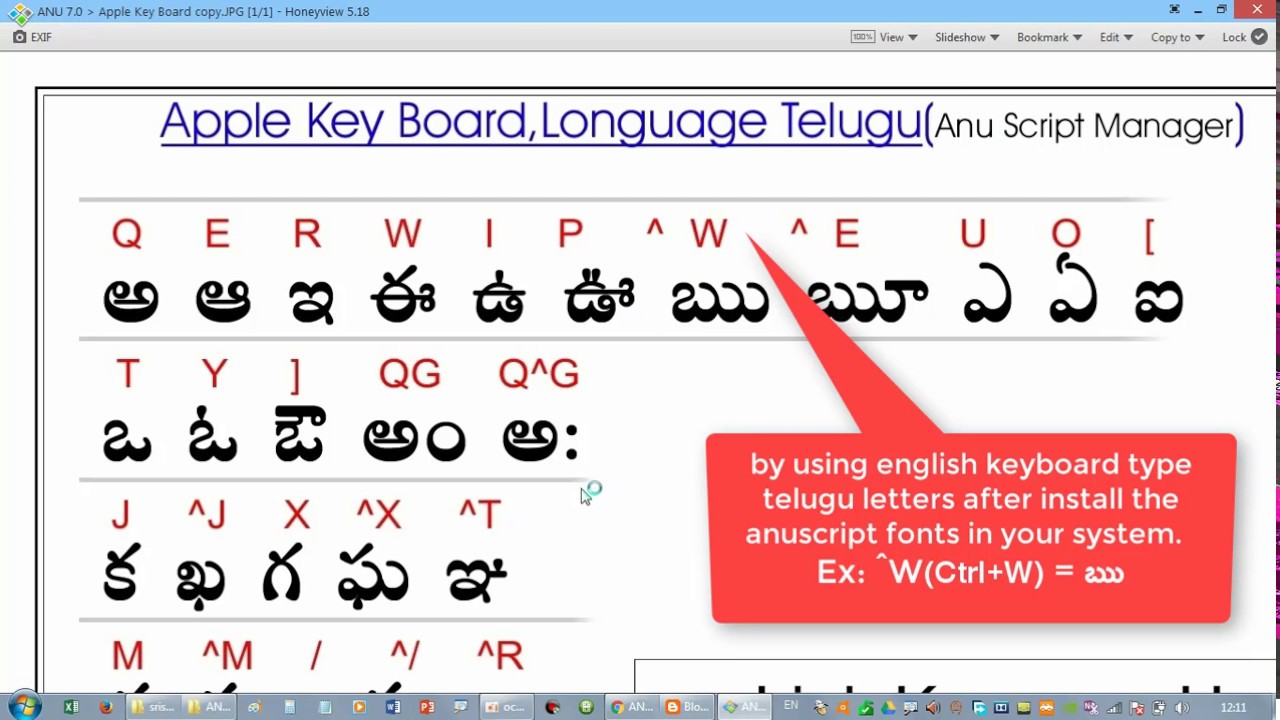
Understanding Telugu Sotwe: India's Digital Frontier
Lead: In an increasingly globalized digital landscape, a unique phenomenon is capturing attention: telugu sotwe. This emerging sector represents a significant shift towards hyper-local digital development, focusing on applications and platforms tailored for the Telugu-speaking population. Far from a niche trend, telugu sotwe is rapidly gaining momentum, promising to redefine how millions interact with technology and culture. This article delves into the origins, impact, and future potential of this vibrant movement, offering U.S. readers a comprehensive guide to understanding its growing significance.
What Is telugu sotwe?
The term telugu sotwe refers to the burgeoning ecosystem of software, digital tools, and localized content developed specifically for the Telugu language, spoken by over 80 million people primarily in the Indian states of Andhra Pradesh and Telangana. It encompasses a broad range of innovations, from user interfaces and operating systems translated into Telugu to unique applications designed to cater to the cultural, social, and economic needs of the Telugu-speaking community. This digital wave is driven by a desire to make technology more accessible and relevant to a vast demographic that often finds standard English-centric software less intuitive.
- Localized Applications: Mobile and web applications, including utility tools, entertainment platforms, and educational resources, that are fully rendered in Telugu.
- Content Platforms: Streaming services, news aggregators, and social media platforms that prioritize Telugu-language content creation and consumption.
- Development Communities: Growing networks of developers, linguists, and entrepreneurs dedicated to fostering innovation within the Telugu digital space.
- User Interface (UI) Customization: Efforts to create user experiences that are culturally relevant and easy to navigate for Telugu speakers.
Why telugu sotwe Is Trending
The growing popularity of telugu sotwe can be attributed to several key factors that reflect broader global digital trends: increased smartphone penetration, affordable internet access, and a strong demand for content in regional languages. As digital literacy expands beyond metropolitan areas, a significant portion of new internet users prefers engaging with technology in their native tongue. telugu sotwe addresses this need directly, breaking down language barriers and fostering greater digital inclusion. Its appeal also stems from its ability to preserve and promote Telugu culture and identity in the digital age, providing platforms for traditional arts, literature, and local news that might otherwise be overshadowed by global English content.
Dates, Locations, or Key Details
While the concept of localized software has existed for some time, the consolidated movement now known as telugu sotwe has gained significant traction over the last five to seven years, paralleling the explosion of mobile internet usage in India. Key development hubs for telugu sotwe initiatives are primarily located in Hyderabad and Vijayawada, major cities within the Telugu-speaking states. These urban centers provide the necessary infrastructure, talent pool, and educational institutions to foster innovation. Notable events include various regional hackathons, developer conferences, and cultural festivals that feature digital art and software applications, all aimed at nurturing and showcasing telugu sotwe advancements. The ecosystem is also boosted by governmental initiatives promoting digital literacy and local language technology.
How To Get Involved or Access telugu sotwe
Accessing or becoming involved with telugu sotwe is increasingly straightforward for both users and developers:
- For Users:
- App Stores: Many telugu sotwe applications are available on major platforms like Google Play Store and Apple App Store, often categorized under "regional languages" or specific "Telugu apps."
- Dedicated Platforms: Some telugu sotwe initiatives have their own websites or platforms for direct downloads and content consumption.
- Community Forums: Online forums and social media groups frequently share recommendations and updates on new telugu sotwe releases.
- For Developers and Contributors:
- Open-Source Projects: Many telugu sotwe projects are open source, inviting contributions from the global developer community in coding, translation, and UI design.
- Developer Communities: Join online groups, attend virtual or in-person meetups, and participate in hackathons focused on Telugu-language development.
- Content Creation: Linguists, writers, and artists can contribute by creating Telugu content for these platforms, ranging from articles to digital art.
What To Expect
- Enhanced User Experience: Expect more intuitive and culturally relevant digital interactions tailored to Telugu speakers.
- Broader Digital Inclusion: Witness a significant increase in digital engagement from populations previously underserved by English-centric platforms.
- Rich Cultural Content: Anticipate a surge in digital content celebrating Telugu literature, cinema, music, and traditions.
- Economic Opportunities: Observe the creation of new jobs and businesses within the localized tech and content industries.
- Technological Innovation: See novel solutions addressing specific local needs, from agriculture tech to public services, all delivered in Telugu.
The Broader Impact of telugu sotwe
The influence of telugu sotwe extends far beyond mere language translation. It fosters digital empowerment, giving a voice and a platform to millions who were previously on the periphery of the global digital conversation. Culturally, it acts as a powerful tool for preserving and promoting the Telugu language and its rich heritage, ensuring its vibrancy in the digital realm. Economically, telugu sotwe stimulates local economies by creating new job opportunities in software development, content creation, digital marketing, and support services. It also opens new markets for businesses looking to connect with Telugu-speaking consumers, driving innovation tailored to specific regional preferences and needs. This movement is a testament to the idea that digital progress can and should be inclusive of linguistic diversity.
telugu sotwe is not just about technology; its about cultural reaffirmation and economic democratization. It empowers a vast population to engage with the digital world on their own terms, fostering a sense of ownership and relevance that transcends mere utility. Dr. Anjali Sharma, Digital Linguistics Analyst.
Economic or Social Insights
Analysis of digital market trends consistently highlights the immense potential of regional language markets. telugu sotwe exemplifies this, tapping into a demographic with significant purchasing power and a growing appetite for digital services. Reports from organizations like Kantar IMRB and Google India have frequently underscored the rapid growth of non-English internet users as a primary driver of digital expansion. This translates into substantial economic opportunities for startups and established companies alike. Socially, telugu sotwe plays a crucial role in bridging the digital divide, ensuring that access to information, education, and essential services is not limited by linguistic barriers. It encourages local entrepreneurship and talent development, contributing to a more diversified and robust digital economy.
Frequently Asked Questions About telugu sotwe
- What is telugu sotwe? telugu sotwe refers to the entire ecosystem of software, applications, and digital content specifically developed in and for the Telugu language, aiming to provide localized digital experiences for Telugu speakers.
- Why is telugu sotwe popular? Its popularity stems from the increasing demand for regional language content, expanded internet access, and the desire for more culturally relevant digital interactions among the Telugu-speaking population.
- How can people participate or experience it? Users can access telugu sotwe through major app stores or dedicated platforms. Developers and content creators can get involved by joining open-source projects, developer communities, and contributing localized content.
- Is it legitimate or official? telugu sotwe is not a single official entity but rather an organic, legitimate movement and burgeoning industry driven by various developers, organizations, and cultural institutions focused on Telugu language digital innovation.
- What can attendees or users expect? Users can expect a more personalized, intuitive, and culturally rich digital experience, leading to greater engagement, access to information, and participation in the digital economy.
Conclusion
The advent of telugu sotwe marks a pivotal moment in the global digital narrative, illustrating the power of localized innovation to transform how millions interact with technology. It is a testament to the vibrancy of regional cultures and languages in the digital age, proving that the internet's future is inherently diverse. As telugu sotwe continues to evolve, it promises not only to expand digital access but also to enrich the global tapestry of digital content and innovation. Its growth signals a broader trend where technology adapts to humanity's linguistic and cultural nuances, rather than the other way around.
Call to Action: Explore the rich world of telugu sotwe by searching for Telugu-language applications in your preferred app store, following key digital innovation forums from the region, or connecting with developers involved in localized software initiatives to witness this impactful trend firsthand.