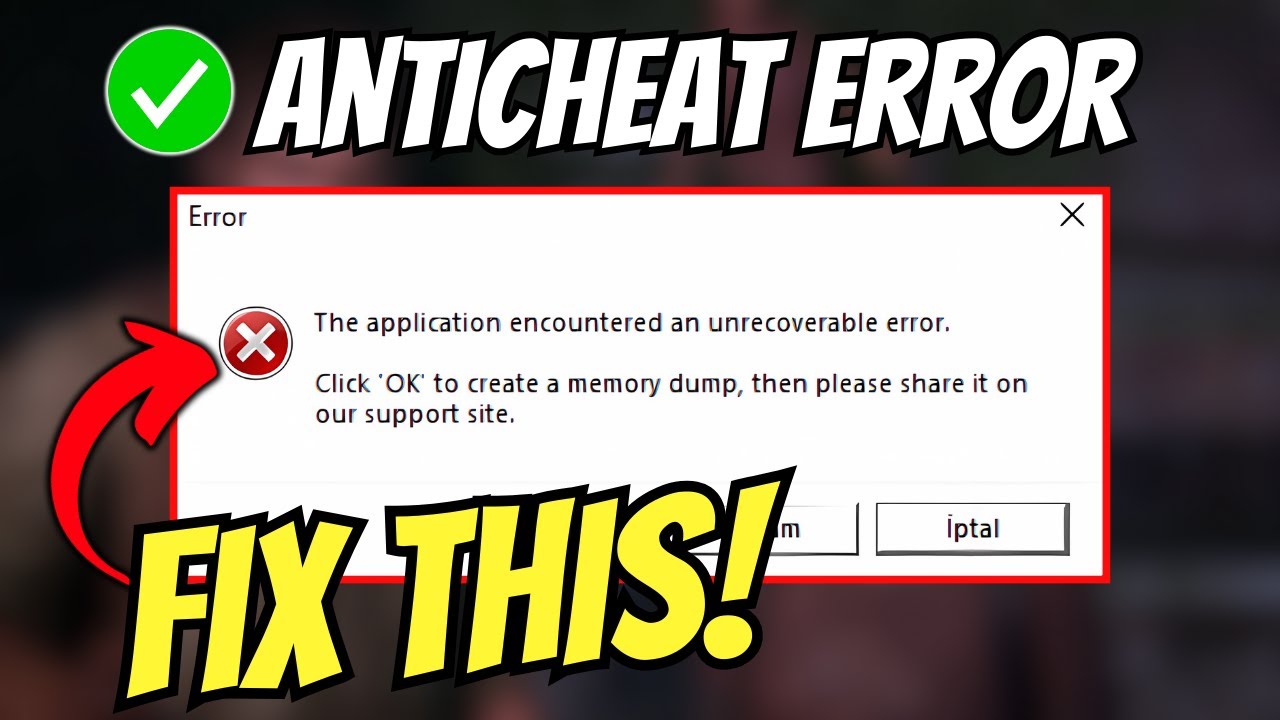
Gaming: Skate Anticheat Error Solved!
Lead: In the dynamic world of online gaming, maintaining fair play is paramount, especially for titles with a competitive edge. However, an increasing number of players, particularly within the community surrounding skateboarding simulation games like the upcoming Skate., are encountering a significant hurdle: the skate anticheat error. This pervasive issue, where anti-cheat systems malfunction, can prevent legitimate players from accessing games, disrupt gameplay, or even lead to erroneous account flagging. Understanding the origins and impact of these anti-cheat errors is crucial for both developers striving for game integrity and players seeking uninterrupted enjoyment in their digital skateparks.
What Is skate anticheat error?
The term "skate anticheat error" refers to a technical malfunction or miscommunication that occurs within the anti-cheat software integrated into skateboarding video games, predominantly those with online multiplayer components. Anti-cheat systems are sophisticated programs designed to detect and prevent players from using unauthorized third-party software or exploits to gain an unfair advantage in online matches. When an error occurs, it can manifest in several ways:
- Launch Failures: The game may fail to launch, displaying an anti-cheat error message.
- Mid-Game Disconnections: Players might be unexpectedly disconnected from servers with an anti-cheat-related notification.
- False Positives: Legitimate players are sometimes incorrectly flagged as cheaters, leading to temporary bans or restrictions.
- System Conflicts: The anti-cheat software may conflict with other legitimate programs running on a user's system, such as hardware monitoring tools or overlays, triggering an error.
These errors often stem from issues such as corrupted game files, outdated anti-cheat definitions, conflicts with operating system updates, or server-side communication problems between the game client and the anti-cheat service.
Why skate anticheat error Is Trending
The prominence of "skate anticheat error" is on the rise for several interconnected reasons, largely driven by the anticipation and eventual release of new titles in the skateboarding game genre, alongside the inherent challenges of online game security:
- Anticipation for New Titles: The highly anticipated return of the Skate. franchise by Full Circle and Electronic Arts has reignited interest in online skateboarding. As the game enters various testing phases, players are eager to participate, making any barrier to entry, like anti-cheat errors, a significant frustration and talking point.
- Competitive Integrity: In any online multiplayer game, especially one with potential for competitive play or leaderboards, the integrity of matches is paramount. Players are acutely aware that a robust anti-cheat system is necessary, but also that a flawed one can negatively impact their experience.
- Technical Complexity: Anti-cheat technology is constantly evolving in response to new cheating methods. This ongoing arms race often leads to complex software that, while effective against cheaters, can sometimes be overly aggressive or prone to errors when interacting with diverse user system configurations.
- Community Discussion: Online forums, social media platforms, and gaming communities serve as key hubs for players to report issues, seek solutions, and vent frustrations. When a common error like this emerges, it quickly becomes a trending topic as players seek collective solutions and developer attention.
The growing interest highlights a critical tension: the need for strong anti-cheat measures versus the desire for a seamless, error-free gaming experience for all legitimate players.
Dates, Locations, or Key Details
While "skate anticheat error" isn't tied to a singular event, its prevalence often correlates with specific game development milestones and platform dynamics:
- Game Development Cycles: These errors frequently surface during critical phases of game development, such as closed betas, playtests, and early access periods. This is when a large number of diverse hardware configurations interact with the anti-cheat system for the first time, exposing potential vulnerabilities or conflicts. For instance, the ongoing development and testing of EA's Skate. have seen reports emerge as players gain access to pre-release versions.
- Platform Specificity: The nature and frequency of errors can vary across different gaming platforms (PC, console). PC players, with a wider array of hardware and software setups, often experience a broader range of anti-cheat issues compared to the more standardized console environments.
- Patch Cycles: Major game updates or anti-cheat system updates are common triggers for new error types. While intended to improve security or gameplay, these patches can inadvertently introduce new bugs or conflicts.
- Developer Involvement: Companies like Electronic Arts and their development studio, Full Circle, are central figures in addressing these issues. Their communication, patch deployment, and support channels become critical touchpoints for affected players.
The "locations" for these errors are global, wherever players are attempting to engage with the online components of relevant skateboarding titles, emphasizing the widespread nature of the technical challenge.
How To Get Involved or Access skate anticheat error
For players experiencing a "skate anticheat error," "getting involved" primarily means actively troubleshooting the issue and reporting it to the relevant developers. This proactive engagement is crucial for both personal resolution and contributing to broader game stability.
- Verify Game Files: Most game launchers (e.g., EA App, Steam) offer an option to verify the integrity of game files. This can often fix corrupted data that might be triggering anti-cheat errors.
- Update Drivers and OS: Ensure graphics drivers, network drivers, and the operating system are fully updated. Outdated components can create conflicts with anti-cheat software.
- Disable Conflicting Software: Temporarily disable background applications that might interfere, such as VPNs, overclocking tools, or certain overlays.
- Check Internet Connection: A stable internet connection is vital for anti-cheat systems to communicate with servers. Intermittent connectivity can sometimes trigger errors.
- Consult Official Support: Utilize the game developer's official support channels. Provide detailed information about the error message, system specifications, and troubleshooting steps already taken.
- Engage with Community Forums: Join official game forums, Reddit communities, or Discord servers. Other players may have encountered similar issues and found solutions, or community managers might provide official updates.
By following these steps, players can not only work towards resolving their specific error but also provide valuable data to developers, aiding in the identification and patching of widespread issues.
What To Expect
- Temporary Disruption: Players should expect potential interruptions to their gameplay sessions or even temporary inability to launch the game until the error is resolved.
- Developer Communication: Expect developers to acknowledge widespread issues through official channels and provide updates on ongoing investigations and planned fixes.
- Patch Releases: Anticipate game patches or anti-cheat client updates specifically designed to address identified error causes and improve system stability.
- Community Support: The gaming community is often a valuable resource for workarounds and peer-to-peer troubleshooting advice while awaiting official solutions.
The Broader Impact of skate anticheat error
The prevalence of "skate anticheat error" extends beyond individual player frustration, touching upon critical aspects of the gaming industry:
- Player Retention and Satisfaction: Persistent errors can lead to a significant drop in player satisfaction and, consequently, lower player retention rates. If players cannot reliably access or enjoy a game, they are likely to move on to other titles.
- Game Reputation: A game frequently plagued by anti-cheat issues can suffer reputational damage, deterring new players from purchasing or trying it. This is particularly critical for new launches attempting to build a strong initial player base.
- Development Resources: Developers must allocate significant resourcestime, personnel, and budgetto investigate, diagnose, and patch anti-cheat errors. This diverts resources that could otherwise be used for new content creation or feature development.
- Esports Viability: For games aspiring to an esports presence, the stability and reliability of the anti-cheat system are non-negotiable. Errors that impact legitimate players or create uncertainty around fair play undermine competitive integrity and deter investment in professional scenes.
The ongoing battle against cheating is a double-edged sword for developers. While crucial for fair play, an anti-cheat system that frequently produces false positives or prevents legitimate users from playing can be just as damaging to a games community as unchecked cheating itself.
Economic or Social Insights
From an economic standpoint, unresolved "skate anticheat error" issues can have tangible impacts. Lower player retention directly translates to reduced revenue from in-game purchases, battle passes, and potential future content expansions. Furthermore, negative publicity surrounding these errors can depress initial sales for new titles. Socially, the constant struggle against errors can fragment a game's community, fostering distrust between players and developers, and creating an environment of frustration rather than camaraderie. Gaming news outlets like PC Gamer and IGN frequently cover these types of technical challenges, highlighting their impact on the gaming economy and player experience as a recurring industry concern.
Frequently Asked Questions About skate anticheat error
- What is skate anticheat error? It's a technical malfunction within the anti-cheat software of skateboarding video games, typically preventing legitimate players from launching or playing the game, or causing erroneous account flagging.
- Why is skate anticheat error popular? Its popularity stems from a combination of factors: high anticipation for new skateboarding game releases, the critical need for fair play in online multiplayer, the technical complexities of anti-cheat software, and widespread community discussion as players seek solutions and share experiences.
- How can people participate or experience it? Players "experience" it when they encounter these errors themselves. "Participating" involves active troubleshooting and reporting the issues to game developers through official support channels and community forums, which helps the developers diagnose and fix problems.
- Is it legitimate or official? The anti-cheat software itself is a legitimate and official component of the game, designed by developers to ensure fair play. The "error" refers to a malfunction within this legitimate system, which is an unintended and undesirable outcome.
- What can attendees or users expect? Users can expect initial frustration and potential game access issues. However, they can also anticipate developer efforts to resolve these problems through patches and updates, alongside support from community resources and official help channels.
Conclusion
The "skate anticheat error" represents a pivotal challenge in modern online gaming, particularly for the vibrant and highly anticipated community surrounding titles like the upcoming Skate. It underscores the delicate balance developers must strike between robust security measures and a seamless user experience. While anti-cheat systems are indispensable for preserving competitive integrity, their reliable operation is equally crucial for player satisfaction and a game's long-term success. Addressing these errors effectively requires transparent communication from developers, diligent troubleshooting from players, and a shared commitment to fostering a fair and functional online environment.
Call to Action: Players experiencing anti-cheat errors are strongly encouraged to report detailed information through official game support channels and engage with verified community forums for the latest updates and troubleshooting guidance. Supporting developers by providing constructive feedback helps ensure a more stable and enjoyable experience for everyone in the digital skatepark.