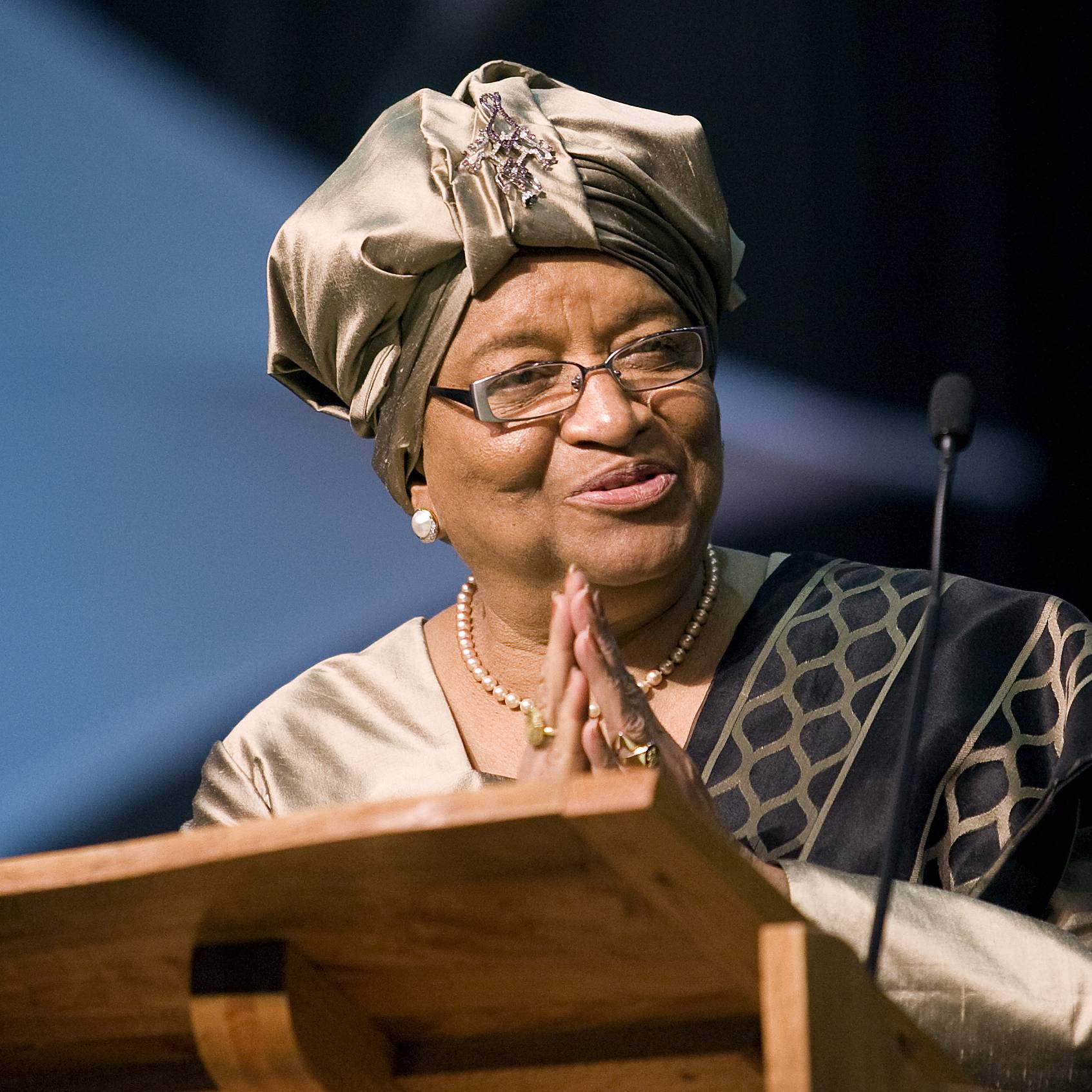
Unveiling Ellen Johnson Sirleaf's Enduring Legacy
Lead: Ellen Johnson Sirleaf stands as a monumental figure in modern global history, renowned as the first democratically elected female head of state in Africa. Her presidency of Liberia, following a devastating civil war, marked a pivotal era of peace, recovery, and reform for the nation. Understanding her journey, accomplishments, and lasting impact provides crucial insight into post-conflict governance, the advancement of women in leadership, and the complexities of international development, offering a compelling narrative for readers interested in world affairs and social progress.
What Is Ellen Johnson Sirleaf's Significance?
Ellen Johnson Sirleaf is a Liberian politician who served as the 24th President of Liberia from 2006 to 2018. A Harvard-educated economist, she brought decades of experience in government and international finance to her role. Her tenure was particularly significant for several key reasons:
- She successfully led Liberia through a critical period of post-conflict reconstruction and reconciliation after more than a decade of civil war.
- Her election in 2005 shattered a significant gender barrier, making her the first woman to be elected as head of state or government in Africa.
- She was a co-recipient of the Nobel Peace Prize in 2011, honored for her non-violent struggle for the safety of women and for women's rights to full participation in peace-building work.
Why Ellen Johnson Sirleaf Continues to Resonate
The story of Ellen Johnson Sirleaf remains deeply relevant and continues to gain significant attention due to its multifaceted lessons in leadership, resilience, and gender equality. In an era where discussions around democracy, peace-building, and the role of women in governance are paramount, her experiences offer a powerful case study. Her work highlights the immense challenges of rebuilding a nation from scratch while simultaneously striving for political stability and economic growth. Socially and culturally, her legacy inspires countless women and girls globally, demonstrating that leadership roles previously seen as unattainable are within reach. Interest in her continues to grow as scholars, policymakers, and activists examine her model of leadership in challenging environments.
Key Dates, Locations, and Milestones in Ellen Johnson Sirleaf's Journey
Ellen Johnson Sirleaf's life and career are marked by several significant milestones:
- October 29, 1938: Born in Monrovia, Liberia.
- 1979-1980: Served as Minister of Finance under President William R. Tolbert Jr.
- Early 1980s: Forced into exile after a military coup, she spent significant time working for institutions like the World Bank and Citibank.
- 1997: Contested the presidential election in Liberia, losing to Charles Taylor.
- November 2005: Elected President of Liberia, taking office in January 2006. This marked a historic moment for Liberia and the African continent.
- October 7, 2011: Awarded the Nobel Peace Prize, alongside Leymah Gbowee and Tawakkol Karman, for their work on women's rights and peace-building.
- 2011: Re-elected for a second term as President.
- January 2018: Concluded her second term, overseeing Liberia's first peaceful democratic transition in decades as she handed power to George Weah.
- Post-Presidency: Continues to be an active voice for good governance, democratic transitions, and women's empowerment through various global initiatives and her own foundation.
How to Learn More About Ellen Johnson Sirleaf's Work and Legacy
Engaging with the legacy of Ellen Johnson Sirleaf offers profound insights into effective leadership and post-conflict recovery. For those interested in deeper understanding, several avenues are available:
- Read Her Memoir: Her autobiography, "This Child Will Be Great: Memoir of a Remarkable Life by Africa's First Woman President," offers a firsthand account of her journey and challenges.
- Explore Documentary Films: Several documentaries chronicle her life and Liberia's recovery, providing visual context to her presidency.
- Visit the Ellen Johnson Sirleaf Presidential Center for Women and Development: This center, launched in 2020, aims to be a catalyst for change across Africa, empowering women to take on leadership roles. Its official website provides resources and updates on ongoing initiatives.
- Follow Public Engagements: Sirleaf remains active on the international speaking circuit, participating in conferences and discussions on global governance, peace, and development.
- Access Academic Resources: Universities and research institutions often publish papers and analyses on her leadership, particularly in the context of gender and African politics.
What To Expect from Studying Ellen Johnson Sirleaf's Presidency
- A Comprehensive Understanding of Post-Conflict Reconstruction: Expect to gain insight into the intricate challenges of rebuilding infrastructure, institutions, and social trust after prolonged civil strife. Her administration faced widespread corruption, poverty, and a decimated public sector.
- Lessons in Resilient Leadership: Her story illustrates the perseverance required to navigate political opposition, economic instability, and international pressures while maintaining a vision for national progress. It showcases the balancing act between reconciliation and justice.
- Inspiration for Gender Equality in Leadership: Sirleafs groundbreaking role serves as a powerful testament to the capabilities of women in top leadership positions, challenging traditional norms and inspiring future generations across the continent and beyond.
The Broader Impact of Ellen Johnson Sirleaf
Ellen Johnson Sirleaf's influence extends far beyond Liberia's borders. Her presidency profoundly impacted global discussions on democracy, development, and gender. Her success in stabilizing a war-torn nation and attracting significant international investment demonstrated that strong, ethical governance could lead to tangible improvements in living standards, even in the most challenging environments. Her Nobel Peace Prize highlighted the critical role of women in peace-building and post-conflict societies, elevating the global discourse on women's rights and participation. She remains a powerful advocate for African agency and self-determination, inspiring a new generation of leaders.
Ellen Johnson Sirleafs leadership showed the world that peace isnt merely the absence of war, but the deliberate and often arduous work of building institutions, fostering reconciliation, and prioritizing the well-being of all citizens, especially women, remarked a prominent development economist.
Economic and Social Insights from Her Tenure
Under Ellen Johnson Sirleaf's leadership, Liberia made significant strides, transitioning from a failed state to a model of post-conflict recovery. Her administration focused on attracting foreign direct investment, renegotiating debt, and implementing fiscal reforms. Liberias external debt was largely forgiven, and the economy experienced consistent growth before the Ebola crisis. Socially, there was a strong emphasis on education, healthcare, and infrastructure development, albeit with persistent challenges in these areas. The re-establishment of democratic institutions and the strengthening of the rule of law were also central pillars, as documented by organizations like the World Bank and reports from institutions like the Council on Foreign Relations.
Frequently Asked Questions About Ellen Johnson Sirleaf
- What is Ellen Johnson Sirleaf? Ellen Johnson Sirleaf is a Liberian stateswoman who served as the 24th President of Liberia from 2006 to 2018. She holds the distinction of being the first woman ever to be democratically elected as a head of state in Africa.
- Why is Ellen Johnson Sirleaf popular? Her popularity stems from her historic role as Africa's first female president, her Nobel Peace Prize recognition, and her successful efforts in stabilizing and rebuilding Liberia after a brutal civil war, symbolizing resilience, progressive leadership, and women's empowerment.
- How can people learn more or engage with her work? Individuals can learn more by reading her memoir, "This Child Will Be Great," exploring documentaries about her life, visiting the Ellen Johnson Sirleaf Presidential Center for Women and Development's website, and following news from global governance forums where she frequently speaks.
- Is her legacy legitimate or officially recognized? Absolutely. Her legacy is officially recognized through her Nobel Peace Prize, numerous international awards, her two terms as a democratically elected president, and her continued engagement with global bodies and initiatives focused on peace, development, and women's leadership.
- What can attendees or users expect from studying her leadership? Those who delve into her leadership can expect to gain a profound understanding of the complexities of post-conflict governance, the challenges and triumphs of female leadership in politics, and the strategies for national recovery and reconciliation.
Conclusion
Ellen Johnson Sirleaf's journey from an economist and activist to a groundbreaking head of state provides an invaluable narrative for understanding contemporary African politics, gender equality, and international development. Her two terms as president of Liberia demonstrated the possibility of peace, recovery, and democratic progress even in the most challenging circumstances. Her enduring legacy continues to inspire leaders and citizens alike, reinforcing the idea that dedicated, ethical leadership can transform nations and reshape global perceptions. Her contributions to peace-building and the empowerment of women remain a cornerstone of her impactful career.
Call to Action: To delve deeper into her transformative work, readers are encouraged to explore the resources available through the Ellen Johnson Sirleaf Presidential Center for Women and Development, follow trusted news outlets for updates on her continued advocacy, and engage with her written works.