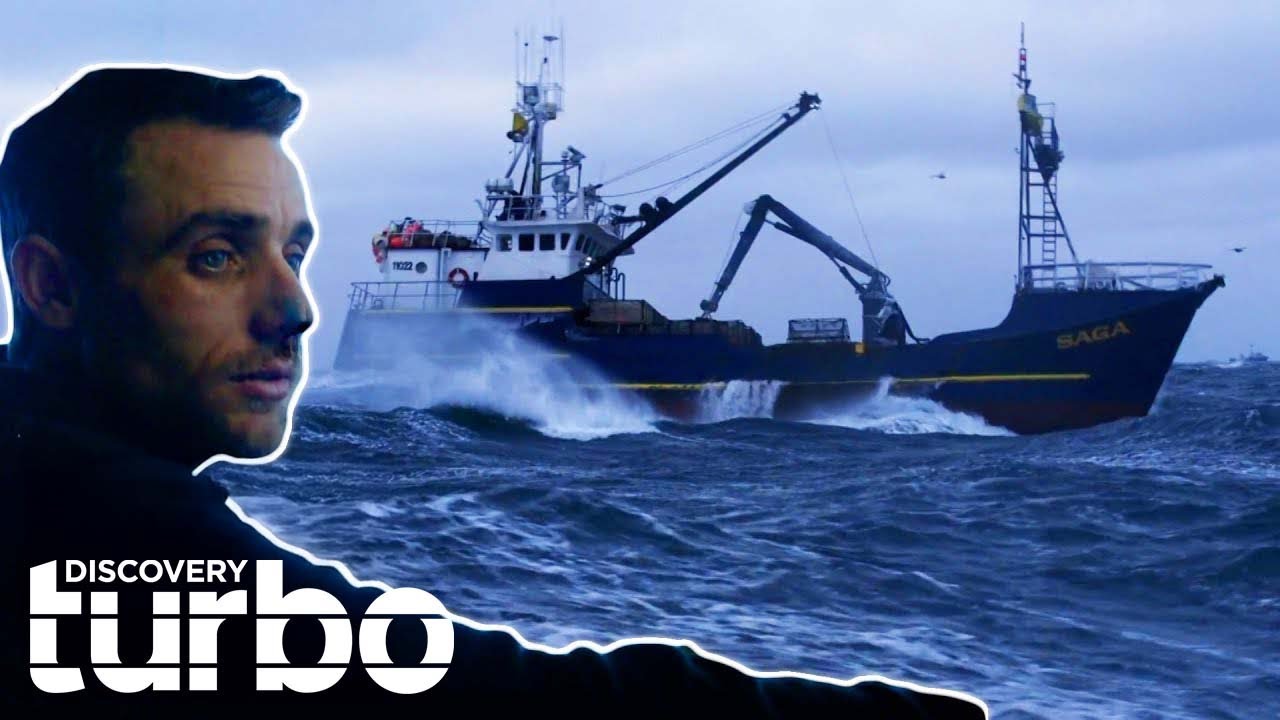
Delving Into The Frozen Abyss Of Deadliest Catchs Icy Fishing Grounds
Lead: The relentless pursuit of king crab and opilio crab in the treacherous Bering Sea has captivated audiences for nearly two decades, transforming the perilous realities of commercial fishing into a compelling televised saga. What began as an exploration into one of the world's most dangerous professions has evolved into a cultural phenomenon, offering viewers an unfiltered look at the extreme challenges faced by fishing crews. This deep dive into the icy fishing grounds of Deadliest Catch provides a critical examination of the conditions, the human element, and the enduring appeal that keeps millions tuning in to witness the high-stakes struggle against nature's fury.
What Is Delving into the Frozen Abyss of Deadliest Catch's Icy Fishing Grounds?
The concept of delving into the frozen abyss of Deadliest Catch's icy fishing grounds refers to the intense scrutiny and immersive portrayal of commercial crab fishing in the Bering Sea, primarily off the coast of Alaska. This involves a comprehensive look at:
- Extreme Environments: Navigating through sub-zero temperatures, colossal waves, and hurricane-force winds in some of the planet's most unforgiving waters.
- High Stakes: The immense financial reward for a successful season, juxtaposed with the ever-present threat of injury, equipment failure, or even death.
- Human Endurance: The physical and mental fortitude required of captains and crew members who work grueling shifts, often for days on end, without adequate rest.
- Unique Fisheries: Focusing on specific crab species like Alaskan King Crab and Opilio (Snow Crab), each with distinct seasons, quotas, and fishing methodologies.
The phrase encapsulates the profound danger and isolation inherent in this line of work, brought to life through the long-running television series. Its an exploration not just of a location, but of a lifestyle dictated by the raw power of the ocean.
Why Delving into the Frozen Abyss of Deadliest Catch's Icy Fishing Grounds Is Trending
The enduring popularity of Deadliest Catch and its subject matter stems from several key factors that resonate deeply with audiences. The series consistently ranks as a top performer for Discovery Channel, maintaining a significant viewership even after many seasons. This sustained interest highlights a fascination with:
- Authentic Risk: Unlike many reality shows, the dangers depicted on Deadliest Catch are genuine and often life-threatening, creating unparalleled suspense.
- Relatable Human Drama: Despite the unique setting, the stories of ambition, conflict, resilience, and camaraderie among the crews are universally understood.
- Man vs. Nature Narrative: The classic struggle against a powerful, unpredictable natural force appeals to a primal sense of adventure and survival.
- Educational Value: Viewers gain insight into a vital but often unseen industry, learning about marine biology, sustainable fishing practices, and maritime operations.
- Technological Prowess: The advanced fishing vessels and specialized equipment used to navigate and harvest in such conditions are a testament to human ingenuity.
The show's ability to consistently deliver high-stakes drama combined with deep character arcs ensures its place in the cultural conversation, making the frozen abyss a compelling destination for armchair adventurers.
Dates, Locations, or Key Details
The unforgiving realm of the Bering Sea crab fishery is primarily centered around Dutch Harbor, Alaska, a bustling port town that serves as the logistical hub for the fleet. Key details regarding this environment include:
- Location: The Bering Sea, a marginal sea of the Pacific Ocean, bordered by Alaska to the east and Russia to the west. Its vast, often tempestuous waters are synonymous with extreme weather.
- Seasons: The crab fishing season typically involves two main periods: the fall King Crab season (often October to November) and the winter Opilio (Snow Crab) season (January to March). Each season presents unique challenges related to ice formation, storm intensity, and crab behavior.
- Fleet Size: A relatively small fleet of highly specialized vessels participates in these fisheries, each crewed by seasoned veterans and ambitious deckhands.
- Quotas: Fisheries are strictly regulated by government agencies, implementing catch limits (quotas) to ensure sustainability and prevent overfishing. This system adds another layer of pressure, as crews race against time to meet their allocations.
Understanding these fundamental elements is crucial to appreciating the context of the televised narrative, transforming it from mere entertainment into a vivid portrayal of a real, high-stakes industry.
How To Get Involved or Access Delving into the Frozen Abyss of Deadliest Catch's Icy Fishing Grounds
For those interested in experiencing the profound realities of this extreme environment, direct involvement in the Bering Sea crab fishery is a specialized and highly demanding profession. However, for the wider audience, accessing and engaging with this fascinating world is readily available through various platforms:
- Watch the Series: Tune into Discovery Channel or stream past and current seasons of Deadliest Catch on services like Max (formerly HBO Max) or Discovery+. This offers the most comprehensive visual immersion.
- Follow Social Media: Engage with official Deadliest Catch social media channels and those of the captains and crews featured on the show. These platforms often provide behind-the-scenes content, updates, and direct interaction.
- Read Books and Articles: Numerous books, memoirs, and journalistic articles explore the history and contemporary state of Alaskan crab fishing, offering deeper insights beyond the screen.
- Explore Maritime Museums: Institutions specializing in maritime history and commercial fishing may offer exhibits that provide historical context and display equipment similar to that used in the Bering Sea.
While few will ever physically embark on a crab boat, the comprehensive media portrayal allows a significant portion of the public to witness and understand this unique and challenging world.
What To Expect
- Unfiltered Reality: Expect to witness the raw, often brutal, realities of commercial fishing, including moments of triumph, despair, injury, and profound exhaustion.
- Character-Driven Narratives: The series excels at developing compelling personalities among its captains and crew, creating a strong emotional connection with their personal and professional struggles.
- Stunning Visuals: Despite the dangers, the Bering Sea offers dramatic and breathtaking landscapes, from serene ice formations to monstrous waves crashing over vessels.
- Educational Content: Gain insight into marine science, engineering, and the economics of the fishing industry, often explained in an accessible manner.
The Broader Impact of Delving into the Frozen Abyss of Deadliest Catch's Icy Fishing Grounds
The widespread interest in the Bering Sea crab fishery, largely spurred by Deadliest Catch, has had a significant impact on several fronts. Culturally, the show has cemented an image of Alaskan crab fishermen as modern-day adventurers, facing epic challenges daily. It has elevated commercial fishing from a niche industry into a subject of mainstream fascination, inspiring discussions about work ethic, risk assessment, and environmental stewardship.
Economically, while the show doesn't directly influence crab prices, it has undoubtedly raised awareness of the industry and the premium associated with Alaskan crab, a delicacy known for its quality. It also contributes to local tourism in places like Dutch Harbor, as fans seek to connect with the locations seen on screen. Furthermore, the series has served as a powerful platform for Discovery Channel, contributing significantly to its brand identity as a purveyor of high-quality, real-life adventure programming.
The Bering Sea fishery isn't just about catching crab; it's a crucible where human will is tested against the absolute fury of nature. The show captures that epic struggle, making it accessible to millions who might otherwise never understand the true cost of that delicacy on their plate.
Economic or Social Insights
The Alaskan crab industry represents a multi-million-dollar sector within the U.S. fishing economy, directly supporting thousands of jobs. The high value of the catch, especially King Crab, allows for substantial earnings for successful crews and boat owners, but this is balanced against incredibly high operational costs, insurance premiums, and the ever-present risk of catastrophic loss. Socially, the fishing community, particularly in Alaska, is tight-knit and resilient, characterized by a deep respect for the ocean and a strong sense of camaraderie born from shared adversity. The portrayal on Deadliest Catch, as observed by industry analysts and publications like Fishermen's News, largely reflects these realities, offering a window into a unique subculture driven by both tradition and cutting-edge technology.
Frequently Asked Questions About Delving into the Frozen Abyss of Deadliest Catch's Icy Fishing Grounds
- What is delving into the frozen abyss of deadliest catchs icy fishing grounds? This term refers to the immersive exploration and detailed presentation of the extreme and dangerous world of commercial crab fishing in Alaska's Bering Sea, primarily as depicted in the popular television series Deadliest Catch. It encompasses the physical environment, the fishing operations, and the human experiences involved.
- Why is delving into the frozen abyss of deadliest catchs icy fishing grounds popular? Its popularity stems from the genuine high stakes, the compelling human drama of survival and ambition, the visual spectacle of man battling nature, and the educational insights into a challenging industry.
- How can people participate or experience it? The primary way to "experience" this world is by watching the Deadliest Catch series on television networks or streaming platforms, following related social media, and reading materials that provide deeper context on the industry.
- Is it legitimate or official? The portrayal of the Bering Sea crab fishery in Deadliest Catch is widely considered authentic and legitimate, with camera crews embedding directly on active fishing vessels during real seasons. While editing and narrative structure enhance the drama, the core events and dangers are factual.
- What can attendees or users expect? Viewers can expect a thrilling and often harrowing journey into one of the world's most dangerous professions, filled with intense personal stories, dramatic weather events, and an appreciation for the skill and courage required to harvest seafood in extreme conditions.
Conclusion
The phenomenon of delving into the frozen abyss of Deadliest Catch's icy fishing grounds represents more than just a television show; it is a gateway into a world of extreme challenge, raw human resilience, and profound natural beauty. It stands as a testament to the enduring appeal of true-life adventure and the universal narrative of overcoming adversity. The ongoing fascination with the Bering Sea crab fishery underscores a collective human curiosity about the limits of endurance and the captivating power of the wild. As the seasons continue, so too does the compelling story of those who brave the frozen abyss.
Call to Action: To further explore this extraordinary world, viewers are encouraged to watch Deadliest Catch on Discovery Channel or stream its extensive catalog on Max or Discovery+. Stay informed by following official series updates and engaging with the vibrant community of fans and industry professionals online.