Virginia Arrest Records How To Find Them
Lead: Navigating the landscape of public information can often feel complex, especially when seeking sensitive documents like arrest records. For those interested in virginia arrest records how to find them, understanding the proper channels and procedures is paramount. Whether for employment background checks, legal inquiries, personal safety concerns, or simply for informational purposes, access to these records is a legitimate and often necessary pursuit. This guide demystifies the process, outlining the various methods available to locate and obtain arrest records within the Commonwealth of Virginia, ensuring readers are equipped with accurate and actionable information.
What Are Virginia Arrest Records and How to Find Them?
Virginia arrest records encompass official documentation created when an individual is taken into custody by law enforcement. These records typically detail the circumstances of an arrest, including the date, time, location, the arresting agency, and the specific charges filed. It is crucial to distinguish arrest records from conviction records; an arrest does not necessarily lead to a conviction, and the information contained in each type of document can differ significantly.
Generally, Virginia arrest records are considered public information, though certain restrictions and privacy considerations may apply, particularly for juvenile records or those sealed by court order. The information available can include:
- Full name and aliases of the individual arrested
- Date of birth
- Physical descriptors
- Date and time of arrest
- Location of arrest
- Name of the arresting agency
- Specific charges filed
- Booking photograph (mugshot)
- Bond information, if applicable
Understanding these components is the first step in comprehending what one is looking for when seeking to find Virginia arrest records.
Why Virginia Arrest Records Are Trending
The increasing interest in virginia arrest records how to find them stems from several societal and practical factors. In an era where transparency and due diligence are highly valued, access to such records has become a critical tool for various stakeholders. Employers frequently conduct background checks to ensure the safety and reliability of potential hires, while landlords often review records to screen tenants. Furthermore, individuals may seek these records for personal reasons, such as researching a neighbor, a prospective partner, or simply to verify information about themselves or a family member. The growing accessibility of information through digital platforms has also contributed to this trend, making the public more aware of their rights and options for accessing public records. Legal professionals, journalists, and academic researchers also rely on these records for case preparation, investigative reporting, and studying crime trends, respectively.
Dates, Locations, or Key Details
Accessing Virginia arrest records involves interacting with specific governmental entities responsible for maintaining these documents. Key details to remember include:
- Jurisdiction: Arrest records are typically held by the law enforcement agency that made the arrest (e.g., local police department, sheriff's office) and the court system where the charges were filed. Statewide records are often maintained by the Virginia State Police.
- Timeframes: While arrest records are generally public, their availability and ease of access can vary depending on how recent the arrest was and the specific agency involved. Older records might require more formal requests.
- Distinction from Criminal History: A full criminal history record, which includes both arrests and convictions, is more comprehensive and often has stricter access requirements, typically available only to the individual themselves or authorized agencies for specific purposes. Arrest records, as standalone documents, are often more broadly accessible.
- FOIA: The Virginia Freedom of Information Act (FOIA) governs access to many public records, including arrest records. Understanding FOIA provisions can be helpful when making requests.
How To Get Involved or Access Virginia Arrest Records
For those looking into virginia arrest records how to find them, several avenues are available:
- Online Search Portals: Many local sheriff's offices and police departments in Virginia offer online inmate search or public arrest record databases. The Virginia Judiciary Online Case Information System (OCIS) can also provide information on court cases stemming from arrests.
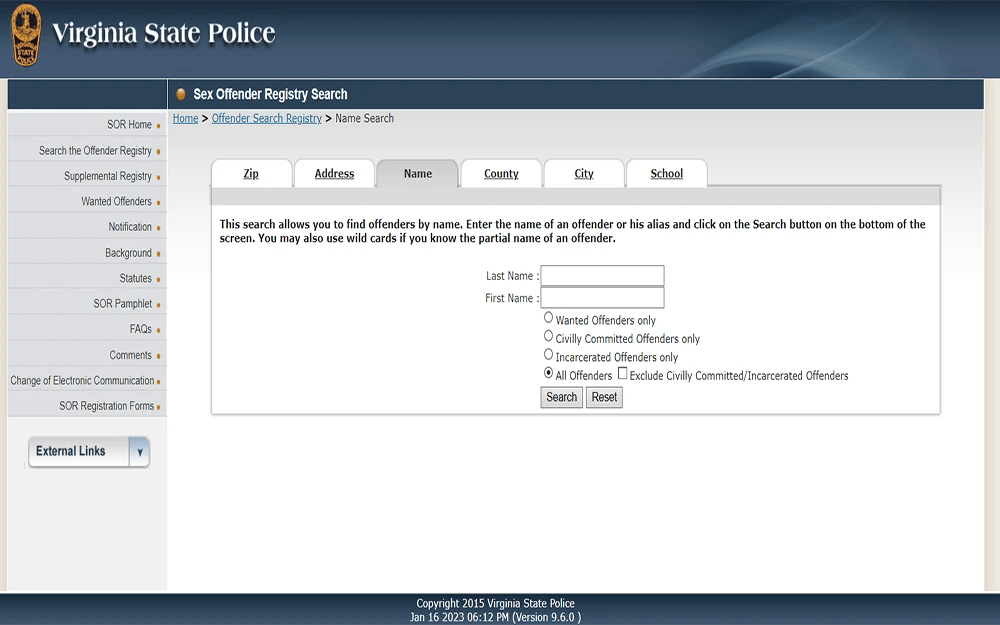
- Virginia State Police: For statewide criminal history record checks (which include arrest information), the Virginia State Police maintains a central repository. Access to these comprehensive records is typically restricted to the individual named, authorized employers, or specific governmental agencies.
- Local Law Enforcement Agencies: Directly contacting or visiting the local police department or sheriff's office in the jurisdiction where the arrest occurred is often effective. They can provide specific procedures for obtaining public arrest records.
- Clerk of the Court: For records related to court proceedings following an arrest, the Clerk of the Circuit Court or General District Court in the relevant jurisdiction can provide information.
- Third-Party Background Check Services: Numerous private online services compile public records, including arrest records. While convenient, users should exercise caution and verify the accuracy and completeness of information from such sources.
When making a request, be prepared to provide as much identifying information as possible about the individual, such as their full name, date of birth, and the approximate date and location of the arrest. Fees may also apply for obtaining physical copies of records.
What To Expect
- Varied Access Points: Expect to consult multiple sources, as there isn't one single, comprehensive, publicly accessible database for all Virginia arrest records. Local records might be separate from state-level repositories.
- Potential Costs: While basic searches might be free, obtaining certified copies of records almost always incurs a fee. These costs can vary by agency.
- Time Delays: Online searches can yield immediate results, but formal requests through official channels may involve waiting periods, ranging from a few days to several weeks, depending on the agency's workload and the nature of the request.
- Limited Information: Certain details, especially those pertaining to ongoing investigations or sealed records, will not be publicly available. Juvenile records are also largely protected from public disclosure.
The Broader Impact of Virginia Arrest Records
The ability to find virginia arrest records how to find them has a significant broader impact on various aspects of society. In the realm of public safety, these records provide valuable data for understanding local crime patterns and evaluating law enforcement effectiveness. For individuals, access to this information empowers them to make informed decisions about who they interact with, whether in professional, personal, or community settings. The transparency afforded by public records helps maintain accountability within the justice system and serves as a vital resource for journalists investigating societal issues or legal discrepancies. Ethically, the availability of such data necessitates responsible use, balancing the public's right to know with individuals' privacy considerations and the principle of presumed innocence until proven guilty.
Access to public arrest records is a cornerstone of transparent governance and an essential tool for public safety and informed decision-making. It highlights the delicate balance between privacy rights and the community's right to access critical information for due diligence.
Economic or Social Insights
The demand for accessing Virginia arrest records has fueled a noticeable segment of the information services economy. Businesses specializing in background checks and public record aggregation have grown, offering streamlined access to data that might otherwise be cumbersome to collect from disparate government sources. This industry thrives on the need for employers, landlords, and even dating app users to quickly assess potential risks. Socially, the greater availability of these records contributes to ongoing discussions about criminal justice reform, the accuracy of public data, and the societal implications of an arrest record, even without a conviction, on an individual's life trajectory in areas such as employment and housing. This dynamic landscape is continually shaped by legislative updates and technological advancements in data management, often reported in business and legal news outlets.
Frequently Asked Questions About Virginia Arrest Records
- What is virginia arrest records how to find them? This refers to the process of locating and obtaining official documents detailing an individual's arrest by a law enforcement agency within the Commonwealth of Virginia, outlining the charges and circumstances of the apprehension.
- Why is virginia arrest records how to find them popular? The popularity stems from a growing need for background checks for employment and housing, personal safety concerns, legal due diligence, and the general public's desire for transparency regarding individuals' interactions with the justice system.
- How can people participate or experience it? Individuals can access these records through online government portals, direct requests to local law enforcement or court clerks, or by utilizing third-party background check services, each with specific procedures and potential fees.
- Is it legitimate or official? Yes, the process for finding Virginia arrest records is legitimate and operates within the framework of state laws, including the Virginia Freedom of Information Act, which governs access to public records.
- What can attendees or users expect? Users can expect to find details such as the arrestee's name, charges, date, and arresting agency. However, they should anticipate potential fees, varying processing times, and that certain sensitive or sealed information will not be publicly available.
Conclusion
Understanding virginia arrest records how to find them is more than just navigating bureaucratic systems; it is about accessing crucial information that empowers informed decisions across various facets of life. From ensuring workplace safety to validating personal relationships or fulfilling legal requirements, the ability to responsibly locate these public records is an invaluable asset. While the process may require diligence and an understanding of jurisdictional nuances, the resources and methods outlined provide a clear pathway to obtaining the necessary information. Responsible use of these records reinforces the principles of transparency and accountability within the justice system.
Call to Action: For accurate and up-to-date information, readers are encouraged to visit official Virginia government websites, such as the Virginia State Police or the Virginia Judiciary Online Case Information System, or contact local law enforcement agencies directly to learn more about specific procedures for obtaining arrest records.