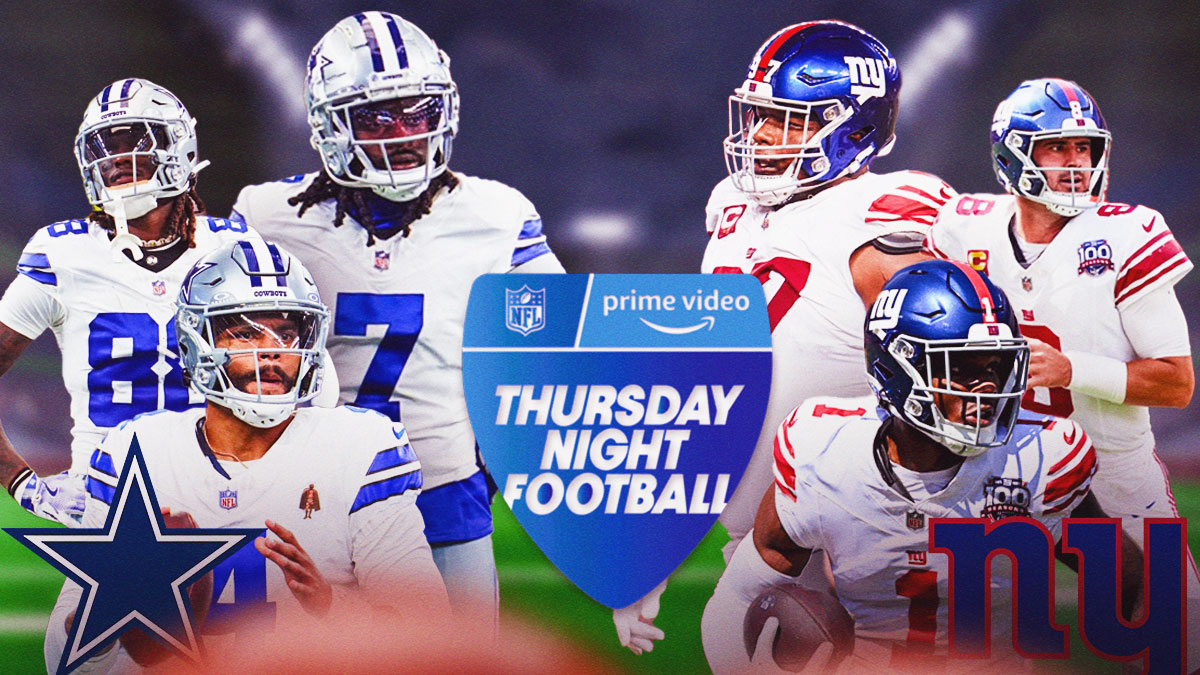
Thursday Night Football Your Ultimate Guide
Lead: Thursday Night Football has solidified its place as a cornerstone of the NFL season, offering a weekly dose of prime-time gridiron action that captivates millions. Far more than just another game on the schedule, it has evolved into a distinct cultural event, influencing everything from digital streaming habits to fantasy football league dynamics. This comprehensive guide delves into everything fans need to know about Thursday Night Football, from its history and broadcast platforms to its broader impact on the sports landscape, ensuring enthusiasts are fully equipped to navigate and enjoy this essential part of the American football experience.
What Is Thursday Night Football
Thursday Night Football (TNF) refers to the series of National Football League games played on Thursday evenings during the regular season. Initiated in 2006 on NFL Network, the program has grown significantly in prominence, becoming a staple of the league's weekly broadcast slate. Its distinctive slot on Thursday night sets it apart, often featuring intriguing matchups that kick off the NFL weekend early. The current iteration is primarily known for its exclusive streaming partnership, bringing the NFL to a vast digital audience.
- Weekly Schedule: A single NFL game is played each Thursday night for most of the regular season.
- Prime-Time Slot: Games typically kick off in the early evening hours (ET), providing a stand-alone viewing window.
- Evolving Broadcast: While it began on NFL Network, TNF has seen various broadcast partners over the years, including CBS, NBC, and FOX, before its current exclusive streaming arrangement.
Why Thursday Night Football Is Trending
The consistent rise in interest surrounding Thursday Night Football stems from several key factors, ranging from innovative distribution models to its intrinsic value within the broader sports ecosystem. Its prime-time placement means it often commands a significant audience, acting as a midweek punctuation mark for the NFL week.
A primary driver of its current trendiness is its role as a flagship program for a major streaming service. This strategic shift has pushed NFL content into new digital frontiers, attracting a younger, digitally native audience while still serving traditional football fans. Furthermore, the games themselves often hold significant weight for playoff implications or rivalry matchups, contributing to intense fan engagement. The short turnaround for teams playing on Thursday also adds an element of unpredictability and strategy that fans and analysts closely follow, fueling social media conversations and sports talk.
Dates, Locations, or Key Details
Thursday Night Football is a recurring weekly event that runs for the majority of the NFL regular season, typically starting in Week 2 and continuing through Week 17 (excluding Thanksgiving Day, which features its own set of nationally televised games). Each game takes place at one of the participating NFL teams' home stadiums across the United States, offering a diverse range of environments and fan bases.
Specific details for each season are released in the spring, outlining the full schedule of matchups, kick-off times (generally 8:15 PM ET), and the broadcast teams. These games are renowned for showcasing a mix of established powerhouses, emerging contenders, and compelling divisional rivalries, ensuring a high-stakes feel almost every week. The host team and opponent change weekly, bringing the TNF experience to various cities throughout the season.
How To Get Involved or Access Thursday Night Football
Accessing Thursday Night Football has become increasingly streamlined, primarily through its digital-first approach. Heres how fans can ensure they don't miss a single moment:
- Amazon Prime Video Subscription: The vast majority of Thursday Night Football games are exclusively broadcast on Amazon Prime Video. A subscription to Prime Video is essential for streaming these matchups live.
- Local Broadcasts: In the two competing teams' home markets, games are typically simulcast on a local over-the-air broadcast television station (e.g., a FOX affiliate). This allows fans in those specific areas to watch without a Prime Video subscription.
- NFL+: For mobile and tablet users, NFL+ Premium offers live streams of all prime-time games, including Thursday Night Football. This provides an on-the-go viewing option for subscribers.
- Device Compatibility: Ensure access to a compatible streaming device (smart TV, streaming stick, game console, computer, or mobile device) capable of running the Prime Video app or website.
- Pre-game and Post-game Coverage: Leverage the extensive pre-game shows, halftime analysis, and post-game recaps offered directly on Prime Video or across NFL Network and other sports media platforms for comprehensive coverage.
What To Expect
- Premium Live NFL Action: Viewers can expect a full, competitive NFL game featuring top teams and star players, broadcast live from various stadiums.
- High-Quality Digital Production: The broadcast boasts state-of-the-art production quality, high-definition visuals, and renowned commentary teams, enhancing the viewing experience.
- Interactive Streaming Features: Prime Video often integrates exclusive features like X-Ray (providing real-time stats and player info), multiple audio options, and interactive fan elements.
- Impactful Matchups: Games often carry significant weight for playoff races, divisional standings, or major rivalries, ensuring a compelling narrative each week.
- Dedicated Pre and Post-Game Analysis: Comprehensive studio coverage before and after the game provides in-depth analysis, player interviews, and expert predictions.
The Broader Impact of Thursday Night Football
Thursday Night Football's influence extends well beyond the field, deeply impacting media consumption, sports business strategies, and fan engagement. Its move to exclusive streaming has been a watershed moment for the NFL, signaling a strong commitment to digital distribution and a recognition of changing audience habits. This shift has not only propelled Amazon Prime Video into a new tier of sports broadcasting but has also paved the way for other major sports leagues to explore similar partnerships.
Culturally, TNF provides a dedicated mid-week football fix, serving as a social touchstone for fans gathering for watch parties or engaging in online discussions. Economically, the lucrative broadcast rights deals contribute substantially to the NFL's revenue streams, further solidifying its financial dominance in professional sports. The shorter week for teams also sparks ongoing debate about player safety and competitive fairness, a discussion that continually influences league policies and scheduling considerations.
Thursday Night Football has become a crucial testbed for how major sports leagues can adapt to the digital age. It's not just about reaching fans where they are; it's about innovating the viewing experience itself and setting new precedents for content delivery.
Economic or Social Insights
The economic impact of Thursday Night Football is substantial, particularly for its primary broadcaster. Amazon's investment in exclusive rights, reportedly exceeding $1 billion annually, underscores the immense value placed on live NFL content as a driver for Prime subscriptions and broader ecosystem engagement. This strategy positions TNF as a significant tool for customer acquisition and retention within the e-commerce giant's ecosystem, as noted by industry analyses in publications like Sports Business Journal and Bloomberg.
Socially, TNF has intensified the weekly rhythm of the NFL season. For fantasy football players and sports bettors, the Thursday game kicks off the week's decision-making and action, creating an immediate focal point. The discussions and narratives generated from these early-week games often set the tone for the entire weekend's football discourse, influencing everything from media punditry to water cooler conversations.
Frequently Asked Questions About Thursday Night Football
- What is Thursday Night Football: Your Ultimate Guide? Thursday Night Football is the National Football League's weekly prime-time game played on Thursday evenings during the regular season, distinguished by its current primary broadcast on Amazon Prime Video.
- Why is Thursday Night Football popular? Its popularity stems from its exclusive prime-time slot, the high-stakes nature of NFL matchups, its role in fantasy sports and betting, and its innovative digital distribution model that reaches a broad audience.
- How can people participate or experience it? Fans can watch live by subscribing to Amazon Prime Video, utilizing local over-the-air broadcasts in market, or streaming on NFL+ for mobile devices. Engagement is also high on social media and through fantasy football leagues.
- Is it legitimate or official? Yes, Thursday Night Football is an official and fully sanctioned part of the NFL regular season schedule, produced in collaboration with the league and its broadcast partners.
- What can attendees or users expect? Viewers can expect a complete NFL game experience, including extensive pre-game and post-game analysis, high-definition broadcast quality, and often, unique interactive features exclusive to the streaming platform.
Conclusion
Thursday Night Football has firmly established itself as an indispensable element of the NFL season, offering a weekly gateway to top-tier professional football. Its evolution, particularly its embrace of digital-first broadcasting, underscores the dynamic nature of sports media and the league's commitment to reaching fans through diverse platforms. From pivotal matchups to groundbreaking production, TNF continues to deliver captivating content that resonates with both avid fans and casual observers. As a defining feature of the NFL calendar, it consistently provides thrilling narratives and memorable moments, reinforcing its status as a must-watch event.
Call to Action: To immerse yourself in the excitement, tune into Thursday Night Football each week. Secure your Amazon Prime Video subscription, check local listings for in-market broadcasts, or explore NFL+ for mobile access, ensuring you're ready for every snap and touchdown.