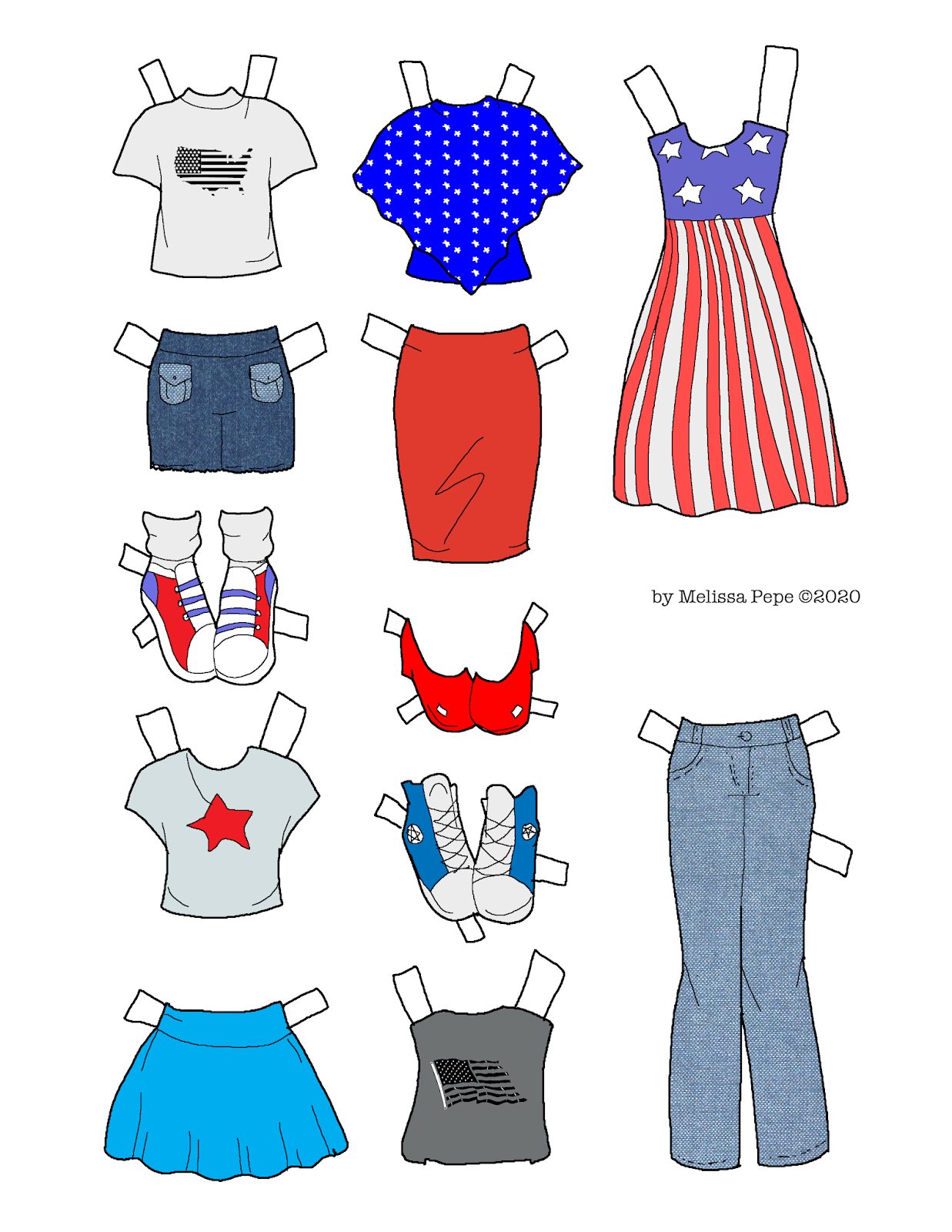
Paper Dolls Inmates Art Mental Health And Rehabilitation
Lead: In the complex landscape of correctional facilities, innovative approaches to well-being are consistently sought to foster positive change. Among these, the surprising and often profound impact of paper dolls in inmate art programs, particularly concerning mental health and rehabilitation, is garnering increased attention. This unique intersection highlights how a seemingly simple craft can become a powerful tool for self-expression, emotional processing, and skill-building, offering a new pathway to understanding and supporting incarcerated individuals on their journey toward reintegration and healing. Readers will delve into the mechanisms behind these programs, their growing significance, and the tangible benefits they offer both individuals and the broader community.
What Is Paper Dolls, Inmate Art, Mental Health, and Rehabilitation?
The concept of paper dolls in inmate art, mental health, and rehabilitation centers on the structured integration of creative art projects within correctional settings. It extends beyond mere craftwork, evolving into a therapeutic practice. This approach utilizes the creation, customization, and storytelling potential of paper dolls as a medium for self-discovery and emotional articulation among incarcerated individuals. Key aspects include:
- Accessible Medium: Paper, a readily available and inexpensive material, lowers barriers to participation, making it ideal for institutional environments.
- Symbolic Representation: Participants often project personal narratives, identities, and emotional states onto their paper creations, using them as avatars for self-exploration.
- Therapeutic Outlet: The artistic process itself provides a non-verbal channel for processing trauma, stress, and complex emotions, contributing to improved mental health.
- Skill Development: Engagement in these programs cultivates fine motor skills, patience, problem-solving, and encourages a sense of accomplishment.
- Rehabilitative Focus: By fostering self-awareness, empathy, and constructive expression, these programs support the broader goals of rehabilitation, aiming to reduce recidivism and prepare individuals for successful community reintegration.
Why Paper Dolls Inmates Art Mental Health and Rehabilitation Is Trending
The growing interest in paper dolls, inmate art, mental health, and rehabilitation reflects a broader societal shift towards recognizing the importance of holistic approaches in justice systems. As mental health crises within correctional facilities become more evident, there's an increasing demand for effective, humane, and scalable interventions. Art therapy, particularly with accessible mediums like paper, presents a cost-effective and low-risk solution that yields significant benefits. The trend is fueled by: increased advocacy for prison reform, a deeper understanding of the neurobiological benefits of creative expression, and compelling anecdotal and research-backed evidence demonstrating positive outcomes. This convergence of factors positions inmate art programs, specifically those utilizing paper dolls, as a vital component of modern rehabilitative strategies.
Dates, Locations, or Key Details
While specific national programs focusing solely on paper dolls might be nascent, the integration of art therapy in correctional facilities has a longer history, evolving significantly over the past few decades. Early proponents in the mid-20th century recognized the therapeutic potential of art, but only recently has its application become more systematized and evidence-based within the prison system. Numerous state and local correctional facilities across the U.S. have begun incorporating various forms of art therapy, with paper doll projects emerging as a low-cost, high-impact option. Initiatives often begin as grassroots efforts by artists or mental health professionals, later gaining traction and official support. Key details frequently involve partnerships between non-profit organizations focused on arts in corrections, local mental health services, and individual prison administrations seeking innovative rehabilitative tools.
How To Get Involved or Access Paper Dolls Inmates Art Mental Health and Rehabilitation
Engaging with the movement surrounding paper dolls, inmate art, mental health, and rehabilitation involves several avenues for individuals and organizations alike:
- Support Existing Programs: Research and donate to non-profit organizations that specialize in bringing art programs, including those using paper dolls, into correctional facilities. Many depend on public contributions for materials and instructors.
- Volunteer Your Time: If you possess artistic or therapeutic skills, explore opportunities to volunteer with organizations that facilitate art workshops in prisons. Background checks and specific training are typically required.
- Advocate for Policy Change: Contact local and state representatives to express support for increased funding and integration of arts and mental health programs within correctional budgets.
- Educate Yourself and Others: Share information about the benefits of inmate art programs to challenge stigmas and foster a more informed public discourse around rehabilitation.
- Participate in Exhibitions: Attend or promote exhibitions of inmate art, which often serve to humanize incarcerated individuals and showcase the transformative power of creative expression.
What To Expect
- Participants often experience a reduction in anxiety and depression symptoms, leading to improved emotional regulation.
- The creation process fosters a sense of agency and accomplishment, contributing positively to self-esteem and identity formation.
- Programs can facilitate healthier interactions among inmates and with staff, building a more constructive correctional environment.
- The tangible art pieces provide a means for individuals to communicate personal narratives and share their experiences constructively.
The Broader Impact of Paper Dolls Inmates Art Mental Health and Rehabilitation
The influence of paper dolls, inmate art, mental health, and rehabilitation extends far beyond the individual participant, creating ripples across correctional systems and communities. These programs contribute to a more humane prison environment, reducing incidents of violence and fostering a culture of mutual respect. For individuals, the development of coping mechanisms and self-awareness through art can significantly lower recidivism rates upon release. This positive impact translates into safer communities and reduced burdens on the justice system. It underscores a shift from purely punitive measures to approaches that prioritize restoration and reintegration, aligning with modern understandings of criminal justice.
The simple act of creating, especially with a medium as humble as paper, can unlock profound internal shifts for those incarcerated. It's not just about making art; it's about rebuilding identity and hope through expression. Dr. Eleanor Vance, Correctional Psychology Researcher
Economic or Social Insights
Investing in paper dolls, inmate art, mental health, and rehabilitation programs offers compelling economic and social returns. Studies have indicated that effective rehabilitative programs, including those incorporating arts, can lead to a substantial decrease in reoffending rates, which in turn reduces the significant costs associated with incarceration and repeat offenses. Socially, these initiatives challenge stereotypes about incarcerated individuals, promoting empathy and understanding within the broader community. The skills learned and emotional growth fostered can contribute to more successful reintegration, turning individuals from potential burdens into contributing members of society. This perspective is increasingly highlighted by publications like The Marshall Project and analyses from criminal justice reform advocates, who point to arts programs as a fiscally responsible component of comprehensive rehabilitation.
Frequently Asked Questions About Paper Dolls Inmates Art Mental Health and Rehabilitation
- What is paper dolls inmates art mental health and rehabilitation? This refers to the structured use of paper doll creation within correctional facilities as a form of art therapy, aimed at supporting the mental health needs of inmates and facilitating their rehabilitation through creative expression and skill development.
- Why is paper dolls inmates art mental health and rehabilitation popular? Its growing popularity stems from its accessibility, low cost, and proven effectiveness as a non-verbal therapeutic tool. It addresses critical mental health needs in prisons and offers a constructive pathway for personal growth, making it an attractive option for rehabilitative efforts.
- How can people participate or experience it? Direct participation is primarily for incarcerated individuals, but the public can get involved by donating to or volunteering with non-profits that run these programs, advocating for art therapy in prisons, or attending exhibitions of inmate art.
- Is it legitimate or official? Yes, art therapy programs in prisons are increasingly recognized as legitimate and evidence-based components of mental health and rehabilitation strategies. Many are supported by correctional facility administrations, academic research, and accredited art therapists.
- What can attendees or users expect? Participants can expect a safe space for creative expression, opportunities to process emotions, develop new skills, and foster a sense of accomplishment. The overall experience aims to improve mental well-being and contribute to successful reintegration.
Conclusion
The emergence and expansion of paper dolls in inmate art, mental health, and rehabilitation programs represent a compelling evolution in correctional philosophy. By harnessing the simple yet profound power of creative expression, these initiatives offer a vital lifeline for individuals navigating the complexities of incarceration, providing tools for emotional healing, identity formation, and ultimately, a more prepared return to society. It underscores a critical shift towards valuing restorative justice and recognizing the inherent dignity and potential for growth within every individual, regardless of their past.
Call to Action: To learn more about the impact of arts in correctional facilities and support these transformative initiatives, explore the websites of organizations dedicated to prison arts and mental health, or follow news from criminal justice reform advocates to stay informed on upcoming events and policy discussions.