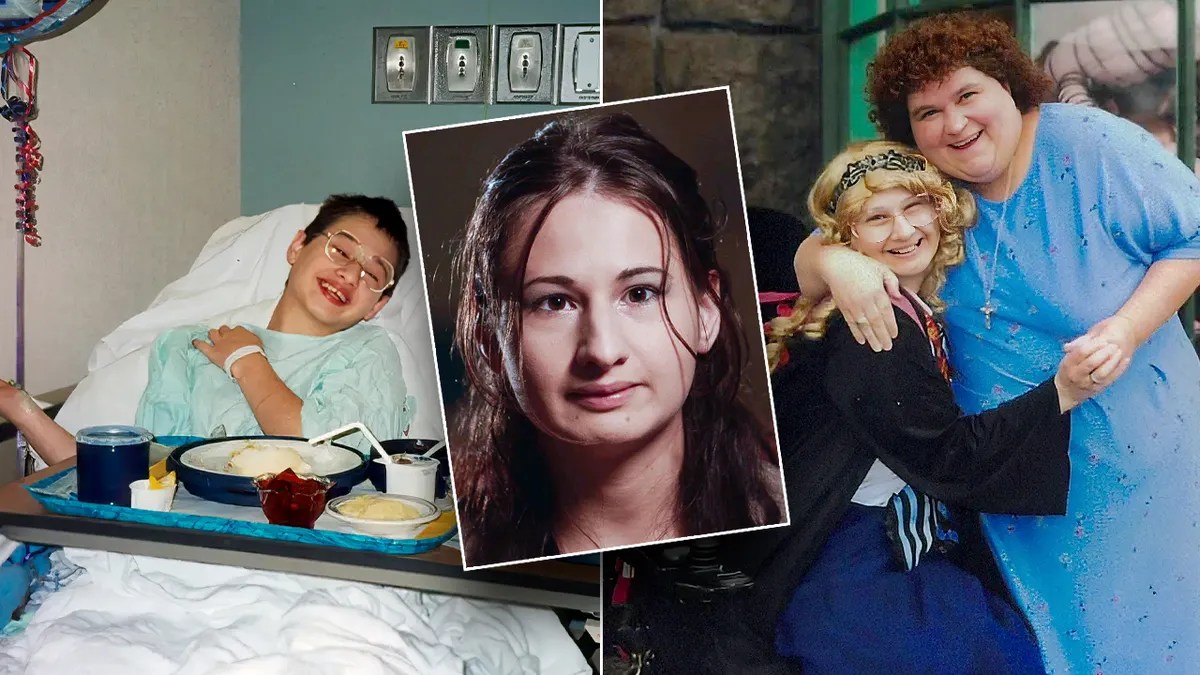
Gypsy Rose Blanchard The Disturbing True Crime Story
Lead: The story of Gypsy Rose Blanchard has captured the attention of millions, unfolding as a chilling and complex true crime narrative that defies easy categorization. What began as a seemingly heartwarming tale of a severely ill child and her devoted mother ultimately unraveled into a disturbing saga of abuse, deception, and matricide. This compelling case has ignited widespread discussion about medical child abuse, victimhood, and justice, prompting a closer look at the psychological depths of human behavior and the flaws within systems designed to protect the vulnerable. Readers will learn about the pivotal events, the lasting impact, and the multifaceted reasons behind the enduring fascination with Gypsy Rose Blanchards journey from a perceived victim to a convicted perpetrator, and finally, to a paroled individual.
What Is Gypsy Rose Blanchard
The "disturbing true crime story" centered on Gypsy Rose Blanchard refers to the unique and tragic events surrounding her life, her mother Dee Dee Blanchard, and the ultimate murder of Dee Dee. At its core, the narrative involves a severe case of Munchausen syndrome by proxy, a form of child abuse where a caregiver fabricates or induces illness in a child. For years, Gypsy Rose was presented as suffering from numerous debilitating conditions, including leukemia, muscular dystrophy, and epilepsy, leading to countless medical procedures, medications, and public sympathy, all orchestrated by her mother, Dee Dee.
Key elements of the story include:
- Systemic Deception: Dee Dee Blanchard meticulously fabricated Gypsy Rose's illnesses, deceiving doctors, charities, and the public for over two decades.
- Severe Abuse: Gypsy Rose endured unnecessary surgeries, a feeding tube, a wheelchair, and restrictive living conditions, all while she was, in reality, physically healthy.
- Online Relationship: Seeking an escape, Gypsy Rose secretly connected with Nicholas Godejohn online.
- Matricide: In June 2015, Dee Dee Blanchard was found stabbed to death in her home. Gypsy Rose and Nicholas Godejohn were subsequently arrested, confessing to the murder.
- Legal Aftermath: Gypsy Rose pleaded guilty to second-degree murder, receiving a 10-year sentence. Nicholas Godejohn was convicted of first-degree murder and sentenced to life in prison.
Why Gypsy Rose Blanchard
The Gypsy Rose Blanchard case continues to trend due to a confluence of factors, including its shocking nature, complex psychological layers, and prominent media adaptations. The narrative taps into a primal fear of parental betrayal and the dark side of human psychology, captivating audiences with its twists and turns. The public's fascination is fueled by the incredible deception perpetrated by Dee Dee, the profound abuse Gypsy Rose suffered, and the subsequent matricide, which challenges traditional notions of victimhood and culpability. Furthermore, Gypsy Roses recent parole in December 2023 reignited widespread interest, bringing her story back into the public consciousness as she navigates life outside prison and shares her perspective on the events.
Social media discussions, true crime podcasts, and extensive journalistic coverage consistently highlight the case, dissecting the motivations, impacts, and societal implications. The story resonates as a cautionary tale about unchecked abuse, the failure of various systems to intervene, and the extreme lengths individuals might go to escape unbearable circumstances.
Dates, Locations, or Key Details
The tragic events surrounding Gypsy Rose Blanchard largely unfolded over several decades, culminating in 2015. Here are some key details:
- Early Life and Deception: From Gypsy Roses infancy in the early 1990s through her teenage years, Dee Dee Blanchard maintained the facade of her daughter's severe illnesses.
- Primary Location: The most critical events occurred in Springfield, Missouri, where Dee Dee and Gypsy Rose moved after Hurricane Katrina. Their bright pink house became an iconic, if unsettling, symbol of their fabricated life.
- Date of Murder: Dee Dee Blanchard was found deceased on June 14, 2015. Gypsy Rose and Nicholas Godejohn were apprehended shortly thereafter in Big Bend, Wisconsin.
- Legal Proceedings: Gypsy Rose pleaded guilty to second-degree murder in July 2016, receiving a 10-year sentence. Nicholas Godejohn's trial and conviction for first-degree murder followed later.
- Parole: Gypsy Rose Blanchard was granted parole and released from Chillicothe Correctional Center on December 28, 2023.
Key figures in this saga include Gypsy Rose Blanchard, her mother Clauddine Dee Dee Blanchard, and Nicholas Godejohn, Gypsy Rose's online boyfriend who carried out the murder.
How To Get Involved or Access Gypsy Rose Blanchard
While direct involvement in the past events of the true crime story is not possible, the public can engage with and learn about Gypsy Rose Blanchard's case through various highly regarded media resources:
- Watch Documentaries: The HBO documentary "Mommy Dead and Dearest" (2017) is considered essential viewing, offering a comprehensive and intimate look at the case with interviews and actual footage.
- Stream Fictionalized Series: "The Act" (2019) on Hulu provides a dramatic adaptation of the story, starring Joey King as Gypsy Rose and Patricia Arquette as Dee Dee, offering a compelling, though dramatized, perspective.
- Read News Archives and Books: Numerous journalistic accounts and books delve into the intricacies of the case, drawing from court documents, interviews, and investigative reporting. Major news outlets like ABC News, CNN, and BuzzFeed News have extensive coverage.
- Follow Credible Updates: For current information on Gypsy Rose Blanchards life post-release, follow reputable news organizations that provide factual reporting on her parole and public statements.
- Engage in Discussion: Join online forums, true crime communities, or academic discussions to explore the psychological, legal, and ethical dimensions of the case.
What To Expect
- A Deep Dive into Munchausen by Proxy: The story offers a rare and extreme example of this severe form of child abuse, illustrating its devastating effects.
- Complex Psychological Exploration: Audiences will encounter a narrative that challenges simple good-versus-evil portrayals, delving into the minds of both abuser and victim-turned-perpetrator.
- An Examination of Systemic Failures: The case highlights how medical professionals, social services, and legal systems struggled to identify or intervene in Dee Dee's long-term deception.
- Thought-Provoking Discussions: The story sparks conversations about victimhood, culpability, mental health, and the nature of justice, particularly in cases of prolonged abuse.
The Broader Impact of Gypsy Rose Blanchard
The Gypsy Rose Blanchard case has had a significant impact on cultural awareness and discussions surrounding child abuse, mental health, and the true crime genre. It has brought the rare and often misunderstood Munchausen syndrome by proxy into mainstream consciousness, prompting greater vigilance among medical professionals and social workers. The story serves as a stark reminder of the insidious nature of certain forms of abuse that can go undetected for years, even in plain sight.
Furthermore, the case has contributed to the ongoing debate about the complexities of justice when a victim of severe abuse commits a crime. Gypsy Rose's relatively lenient sentence compared to her co-conspirator reflects a societal and legal acknowledgment of the mitigating circumstances of her upbringing. This narrative has influenced the development of true crime media, setting a benchmark for complex storytelling that explores the grey areas of morality and psychological trauma.
The Blanchard case is a critical example of how extreme psychological abuse can twist a victim's reality to the point of desperate action. It forces us to confront uncomfortable questions about systemic failures and the limits of compassion and justice, noted a leading expert in forensic psychology.
Economic or Social Insights
The Gypsy Rose Blanchard story exemplifies the commercial viability and immense social impact of the true crime genre. Documentaries like "Mommy Dead and Dearest" and fictionalized series such as "The Act" garnered significant viewership and critical acclaim, driving subscriptions for platforms like HBO and Hulu. This content often leads to substantial revenue streams for media companies, reinforcing the market demand for well-produced, emotionally resonant true crime narratives. The continuous discussion and analysis of the case across digital media, podcasts, and social platforms demonstrate its enduring cultural currency.
Beyond entertainment, the story has influenced public discourse, prompting renewed interest in child protection policies and the identification of medical abuse. Reports from organizations dedicated to child welfare sometimes reference the case as a powerful illustration of the need for improved vigilance and inter-agency cooperation in safeguarding vulnerable children, as observed in analyses by publications focusing on social issues and legal trends.
Frequently Asked Questions About Gypsy Rose Blanchard
- What is Gypsy Rose Blanchard: The Disturbing True Crime Story? It is the true account of Gypsy Rose Blanchard, a young woman who was subjected to decades of fabricated illnesses and medical procedures by her mother, Dee Dee Blanchard, through Munchausen syndrome by proxy. The story culminates in Gypsy Rose conspiring with her then-boyfriend, Nicholas Godejohn, to murder her mother in 2015 as a means to escape the abuse.
- Why is Gypsy Rose Blanchard: The Disturbing True Crime Story popular? Its popularity stems from the shocking nature of the deception, the extreme psychological abuse Gypsy Rose endured, the unexpected act of matricide, and the subsequent legal proceedings that highlighted the complexities of victimhood. Media adaptations have further amplified its reach and discussion.
- How can people participate or experience it? People can experience the story by watching the acclaimed HBO documentary "Mommy Dead and Dearest," streaming the Hulu series "The Act," reading journalistic accounts and books on the case, and engaging in discussions online or in true crime communities.
- Is it legitimate or official? Yes, the core events of Gypsy Rose Blanchard's story are legitimate and well-documented through police investigations, court records, and extensive journalistic reporting. While "The Act" is a dramatization, it is based on factual accounts and interviews, and "Mommy Dead and Dearest" is a non-fiction documentary.
- What can attendees or users expect? Viewers and readers can expect a gripping, disturbing, and thought-provoking exploration of a complex human tragedy, delving into themes of abuse, mental health, family dynamics, and the pursuit of justice.
Conclusion
The story of Gypsy Rose Blanchard stands as one of the most compelling and unsettling true crime narratives of recent times. It transcends a simple criminal case, offering a profound commentary on the devastating impact of medical child abuse, the psychological toll of deception, and the desperate measures individuals might take to reclaim their autonomy. The intricate layers of victimhood, manipulation, and the quest for freedom continue to fascinate and challenge audiences, provoking vital conversations about how society identifies and addresses hidden forms of abuse. As Gypsy Rose embarks on a new chapter post-parole, her story remains a powerful reminder of resilience in the face of unimaginable adversity and the enduring complexities of justice.
Call to Action: To gain a deeper understanding of this extraordinary case, explore the documentary "Mommy Dead and Dearest" and the series "The Act," or read reputable journalistic reports to follow updates on Gypsy Rose Blanchards ongoing journey and the broader implications of her story.