Unveiling The Truth The Nikki Catsouras Tragedy
Lead: The story of unveiling the truth: the Nikki Catsouras tragedy remains a haunting benchmark in discussions surrounding digital privacy, internet ethics, and the profound impact of online content. What began as a personal catastrophe for an Orange County family evolved into a precedent-setting battle against the unauthorized dissemination of graphic images, forever altering perceptions of online permanence and accountability. This article delves into the origins of the tragedy, its enduring relevance, and the significant shifts it prompted in understanding digital responsibility and the pursuit of justice in the internet age.
What Is Unveiling the Truth
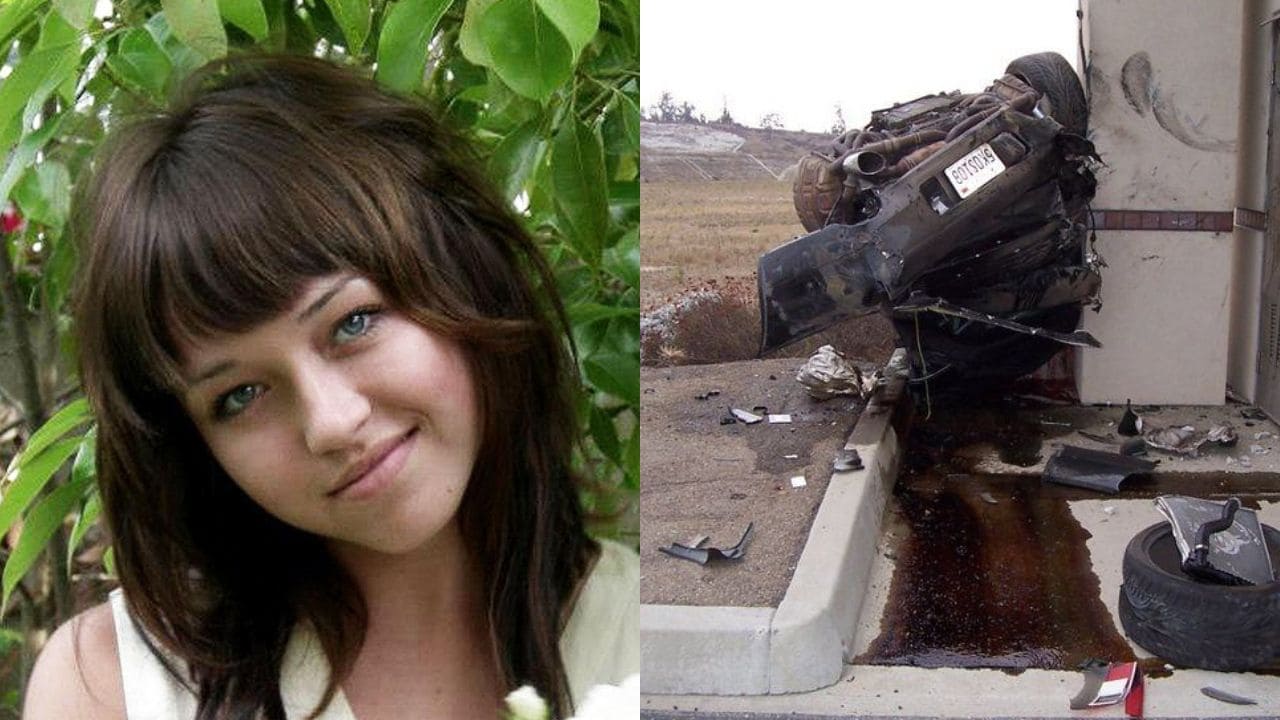
The Nikki Catsouras tragedy refers to the aftermath of an 18-year-old California woman's fatal car crash on October 26, 2006. Following the accident, graphic photographs of her remains, taken by California Highway Patrol (CHP) officers for internal reporting purposes, were leaked onto the internet. These images quickly went viral, appearing on numerous shock sites, forums, and email chains globally. The core of the tragedy, beyond the initial accident, became the agonizing struggle of the Catsouras family to have these images removed from the internet and to hold those responsible accountable for the immense emotional distress caused.
- Origin: Fatal single-car accident involving Nikki Catsouras in Orange County, CA.
- Leak: Graphic accident scene photos, intended for internal use, were improperly shared by two CHP dispatchers.
- Viral Spread: The images disseminated rapidly across the internet, often accompanied by cruel and mocking captions.
- Family's Ordeal: The Catsouras family faced relentless online harassment and the emotional burden of their daughter's death being publicly displayed in its most horrific form.
Why Unveiling the Truth
While the initial events unfolded over a decade ago, the Nikki Catsouras tragedy continues to trend in discussions about digital privacy, the right to be forgotten, and the lasting consequences of online actions. Its sustained relevance stems from several critical factors:
- Precedent-Setting Legal Battles: The family's protracted legal fight against the CHP and various websites established important benchmarks regarding digital privacy and law enforcement accountability.
- Internet Permanence: The case vividly illustrates the difficulty, often impossibility, of erasing content once it enters the digital realm, highlighting the "digital tattoo" concept.
- Ethical Dilemmas: It prompts ongoing ethical debates about freedom of speech versus personal privacy, particularly concerning graphic content and the dignity of the deceased.
- Public Awareness: The story serves as a stark reminder of the potential for viral content to inflict deep and lasting harm, fostering greater awareness of responsible online behavior.
- Technological Evolution: As new platforms emerge and content spreads faster, the foundational issues raised by the Catsouras case remain critical for new generations of internet users and policymakers.
Dates, Locations, or Key Details
The timeline and specific locations associated with the Nikki Catsouras tragedy are crucial to understanding its progression:
- October 26, 2006: The date of Nikki Catsouras's fatal accident on the State Route 241 toll road in Lake Forest, Orange County, California.
- October 2006 - Early 2007: The period during which the graphic photos were leaked by CHP dispatchers and began their rapid spread across the internet.
- 2007-2012: The initial phase of the family's legal battle, seeking accountability from the California Highway Patrol for the leaked images. This included lawsuits against various anonymous internet users and websites, often proving difficult due to jurisdictional challenges and the anonymous nature of the internet.
- March 2010: A California appeals court ruled that the family could pursue a lawsuit against the CHP, overturning a previous dismissal.
- February 2012: The Catsouras family reached a settlement of $2.375 million with the state of California, acknowledging the negligence of the CHP.
- Ongoing: Despite legal victories, the family continues to encounter the images online, underscoring the enduring challenge of content removal.
How To Get Involved or Access Unveiling the Truth
Engaging with the lessons of the Nikki Catsouras tragedy involves focusing on digital ethics, privacy advocacy, and responsible internet use. Readers can:
- Educate Themselves: Research reputable news archives and documentaries that cover the case, its legal implications, and its impact on digital privacy law.
- Support Digital Privacy Initiatives: Contribute to or follow organizations that advocate for stronger online privacy protections and the "right to be forgotten."
- Promote Responsible Sharing: Advocate for ethical content sharing practices on social media and other platforms, particularly concerning sensitive or graphic material.
- Participate in Discussions: Engage in constructive conversations about internet permanence, online harassment, and the ethical responsibilities of internet users and content platforms.
- Report Harmful Content: Understand and utilize the reporting mechanisms on various platforms for graphic or exploitative content, helping to prevent its spread.
What To Expect
- The tragic case highlights the severe consequences of digital privacy breaches, demonstrating how quickly sensitive information can spiral out of control.
- It offers critical insights into the limitations of legal systems in effectively removing content once it has gone viral on the internet.
- Readers will understand the profound emotional and psychological toll such online exposure can have on victims and their families.
- The narrative underscores the ongoing need for both personal responsibility and institutional accountability in the digital age.
The Broader Impact of Unveiling the Truth
The Catsouras tragedy has had a far-reaching impact, extending beyond the immediate family to influence cultural norms, legal precedents, and industry practices. It became a stark object lesson in the "Streisand Effect," where attempts to suppress information inadvertently draw more attention to it. This case significantly fueled discussions about the right to privacy for the deceased and their families, leading some jurisdictions to consider specific legislation. It also intensified the scrutiny on law enforcement agencies regarding their handling of sensitive materials and internal protocols for digital data management.
The Catsouras case really galvanized public understanding that once something is online, it's almost impossible to fully eradicate. It shifted the conversation from just privacy in life to digital dignity in death.
Economic or Social Insights
The economic and social insights derived from the Catsouras tragedy are substantial. For businesses and social media platforms, the case highlighted the immense reputational and financial costs associated with failing to moderate content or protect user privacy. It spurred greater investment in content moderation technologies and legal departments dedicated to handling defamation and privacy claims. Socially, it underscored the significant emotional and psychological costs borne by individuals and families targeted by online cruelty. The ordeal demonstrated how readily internet anonymity can facilitate abusive behavior, necessitating ongoing efforts by platforms to balance user privacy with accountability. Major digital media outlets like Wired and The New York Times extensively covered the legal battles, emphasizing the nascent yet critical field of internet law and digital rights.
Frequently Asked Questions About Unveiling the Truth
- What is Unveiling the Truth: The Nikki Catsouras Tragedy? It refers to the 2006 fatal car crash of Nikki Catsouras and the subsequent unauthorized leak and viral spread of graphic accident scene photos taken by California Highway Patrol officers, leading to a long legal battle by her family for removal and accountability.
- Why is Unveiling the Truth: The Nikki Catsouras Tragedy popular? Its enduring popularity stems from its role as a pivotal case in discussions about digital privacy, the permanence of online content, the right to be forgotten, and the ethical responsibilities of both individuals and institutions in the digital age.
- How can people participate or experience it? People can engage by educating themselves through journalistic reports, documentaries, and academic discussions on digital ethics; supporting privacy advocacy groups; and actively promoting responsible and empathetic online behavior.
- Is it legitimate or official? The tragedy and the subsequent legal battles are well-documented and officially recognized, resulting in a settlement with the state of California and contributing to legal precedents regarding digital privacy.
- What can attendees or users expect? Those exploring the details of this case can expect to gain a deeper understanding of the complexities of internet law, the profound impact of online content on personal lives, and the ongoing challenges in regulating digital spaces for safety and privacy.
Conclusion
Unveiling the truth: the Nikki Catsouras tragedy serves as a poignant and powerful reminder of the vulnerabilities inherent in the digital landscape. It is a story not just of profound loss, but also of the relentless fight for dignity, privacy, and accountability in an era where information spreads instantaneously and often irreversibly. The family's courageous pursuit of justice brought critical attention to issues of online harassment, digital permanence, and the imperative for both individuals and institutions to uphold ethical standards in the handling of sensitive content. The lessons learned from this tragedy continue to shape policy and public discourse, underscoring the ongoing need for vigilance and empathy in our increasingly connected world.
Call to Action: Readers are encouraged to learn more about digital privacy rights, support initiatives advocating for internet ethics, and contribute to a more responsible and compassionate online environment. Further information can often be found through reputable journalistic archives and digital rights organizations.