
San Gennaro Festival A Taste Of Little Italy
Lead: Every September, the vibrant streets of New York City's Little Italy transform into a bustling spectacle for the annual San Gennaro Festival: A Taste of Little Italy. This enduring cultural institution, rooted in deep Italian-American heritage and religious devotion, draws millions of visitors globally. A celebration of faith, food, and community, the festival offers an immersive experience into the heart of Italian-American traditions. Readers will discover the festival's rich history, its contemporary significance, and practical insights for experiencing this iconic New York event.
What Is the San Gennaro Festival
The San Gennaro Festival is an 11-day street fair held annually in the historic Little Italy neighborhood of Manhattan. Originating in 1926 as a one-day religious commemoration by Neapolitan immigrants, it honors San Gennaro (Saint Januarius), the patron saint of Naples. The festival has evolved significantly since its inception, growing from a local religious procession into one of New York City's largest and most beloved cultural events. While its religious roots remain central, it is now equally renowned for its vibrant atmosphere, traditional Italian street food, and family-friendly entertainment.
- Religious Roots: Dedicated to Saint Gennaro, the festival's centerpiece remains the solemn procession of the saint's statue through the streets of Little Italy.
- Culinary Delights: A gastronomic paradise offering classic Italian-American fare, from sausage and pepper heroes to zeppole and cannoli.
- Live Entertainment: Stages feature a continuous lineup of live music, including traditional Italian folk songs, contemporary performances, and tribute bands.
- Carnival Atmosphere: Street vendors, games of chance, and amusement rides contribute to a lively, festive environment appealing to all ages.
Why the San Gennaro Festival
The San Gennaro Festival maintains a timeless appeal, consistently drawing crowds due to several key factors. Its enduring popularity stems from its ability to connect generations to Italian-American heritage, offering a tangible link to ancestral traditions. In an increasingly globalized world, the festival provides an authentic slice of cultural immersion, celebrating community, history, and the simple joy of good food. For many, it represents a cherished annual pilgrimage, a tradition passed down through families, ensuring its relevance and popularity year after year. The festival also benefits from its prime location in one of the world's most visited cities, attracting both local New Yorkers and international tourists seeking unique urban experiences.
Dates, Locations, or Key Details
The San Gennaro Festival typically takes place each year in mid-September, running for 11 consecutive days. The main hub of activity is centered on Mulberry Street, stretching from Canal Street to Houston Street, and extending onto the adjacent streets of Grand and Hester within the historic Little Italy neighborhood of Manhattan. Exact dates vary slightly each year but consistently align with the feast day of Saint Gennaro, September 19th. Key events include the Grand Procession of San Gennaro, which usually occurs on the Saturday closest to the feast day, and a traditional High Mass. Attendees can easily navigate the festival grounds on foot, soaking in the sights, sounds, and aromas that define the experience.
How To Get Involved or Access the San Gennaro Festival
Experiencing the San Gennaro Festival is primarily about immersing oneself in the bustling street fair atmosphere. Attendance is open to the public, with no admission fee, allowing visitors to explore at their leisure.
- Travel by Public Transportation: Due to heavy crowds and street closures, visitors are strongly encouraged to use public transit. Subways and buses offer convenient access to Little Italy. Nearby subway stations include Canal Street (J, N, Q, R, W, Z, 6 trains) and Spring Street (6 train).
- Explore Mulberry Street: The heart of the festival lies along Mulberry Street. Wander through the rows of vendors selling food, souvenirs, and crafts.
- Witness the Procession: Check the official festival schedule for the exact time and route of the Grand Procession of San Gennaro. Arrive early to secure a good viewing spot.
- Indulge in Culinary Delights: Sample the wide array of traditional Italian and Italian-American foods. Many vendors accept cash, so it is advisable to carry some.
- Enjoy Live Entertainment: Multiple stages throughout the festival grounds host various performers. Consult the festival's daily schedule to catch specific acts.
What To Expect
- Authentic Italian-American Cuisine: Prepare for a culinary journey featuring everything from classic pasta dishes and brick-oven pizza to an abundance of desserts like cannoli, zeppole, and sfogliatelle.
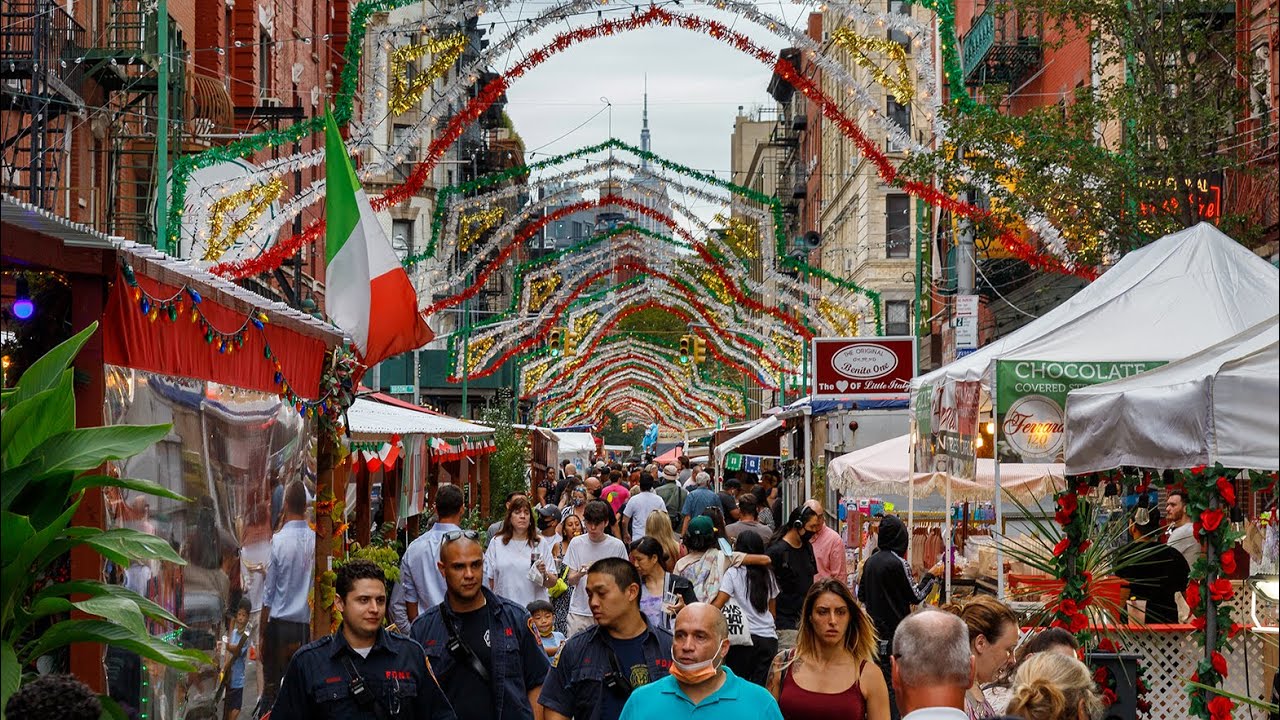
- Vibrant Cultural Displays: The streets are adorned with festive lights and decorations, creating a lively backdrop for traditional music, dancing, and historical exhibits.
- Strong Sense of Community: Experience the warmth and hospitality of Little Italy, where residents and visitors alike come together to celebrate shared heritage and traditions.
- Crowded Streets: Be prepared for significant pedestrian traffic, especially during evenings and weekends. The lively atmosphere is part of the charm, but comfortable shoes are recommended.
The Broader Impact of the San Gennaro Festival
The San Gennaro Festival holds significant cultural, economic, and social sway, extending far beyond its 11-day run. Culturally, it serves as a vital anchor for Italian-American identity in New York City and beyond, preserving traditions, language, and culinary arts that might otherwise fade. It reinforces the importance of heritage for generations, educating new audiences about the contributions of Italian immigrants to American society. Economically, the festival provides a substantial boost to local businesses in Little Italy, from restaurants and bakeries to souvenir shops, attracting millions of dollars in tourism revenue annually. Its prominence also solidifies Little Italy's status as a top tourist destination, drawing attention to its unique character throughout the year.
The San Gennaro Festival isn't just an event; it's a living, breathing testament to the resilience and richness of Italian-American culture in New York City. Its where generations connect over a plate of zeppole and the shared memory of Mulberry Street, says a long-time observer of the festival.
Economic or Social Insights
The economic impact of the San Gennaro Festival on Little Italy and the wider New York City economy is considerable. It acts as a powerful economic engine for the neighborhood, injecting substantial revenue into local businesses that rely heavily on the annual influx of festival-goers. Many small, family-owned establishments experience their highest sales volume during the festival period. Beyond direct sales, the event generates employment opportunities and enhances the area's profile, contributing to property values and sustained interest in the cultural district. Socially, the festival fosters a strong sense of community and belonging, serving as a homecoming for many Italian-American families and a welcoming cultural exchange for visitors, reinforcing the social fabric of one of New York's most historic neighborhoods, as documented by various local business journals.
Frequently Asked Questions About the San Gennaro Festival
- What is the San Gennaro Festival: A Taste of Little Italy? It is an annual 11-day street fair held in New York City's Little Italy, honoring Saint Gennaro. It features religious processions, extensive traditional Italian food vendors, live entertainment, and carnival attractions.
- Why is the San Gennaro Festival: A Taste of Little Italy popular? Its popularity stems from its deep cultural roots, vibrant atmosphere, delicious and authentic Italian-American food offerings, and its role as a significant community gathering that attracts both locals and tourists seeking a unique cultural experience.
- How can people participate or experience it? People can experience the festival by simply visiting Mulberry Street in Little Italy during the festival dates, walking through the fair, sampling food, watching the entertainment, and observing or joining the religious procession.
- Is it legitimate or official? Yes, the San Gennaro Festival is a highly legitimate and officially organized event, run by the Figli di San Gennaro (Children of San Gennaro) non-profit organization, which works to preserve Italian-American culture and raise funds for local charities.
- What can attendees or users expect? Attendees can expect a lively, crowded atmosphere filled with the aroma of Italian food, continuous live music, family-friendly rides and games, and a profound sense of cultural celebration, particularly around the feast day of Saint Gennaro.
Conclusion
The San Gennaro Festival: A Taste of Little Italy stands as a testament to enduring cultural heritage and community spirit in the heart of New York City. More than just a street fair, it is a vibrant declaration of Italian-American identity, a culinary haven, and a cherished annual tradition that captivates millions. Its blend of religious observance, lively entertainment, and unparalleled food experiences makes it a distinct and notable event on the global cultural calendar. As it continues to thrive, the festival remains a beacon of tradition and a joyous celebration for all who attend.
Call to Action: To immerse yourself in this iconic cultural celebration, plan a visit to Mulberry Street during the next San Gennaro Festival. Explore the official Figli di San Gennaro website for specific dates, event schedules, and updates to fully experience A Taste of Little Italy.

:max_bytes(150000):strip_icc()/crowds-celebrating-san-gennaro-festival-on-mulberry-street--little-italy--148918418-597e1b39d963ac001122d417.jpg)
