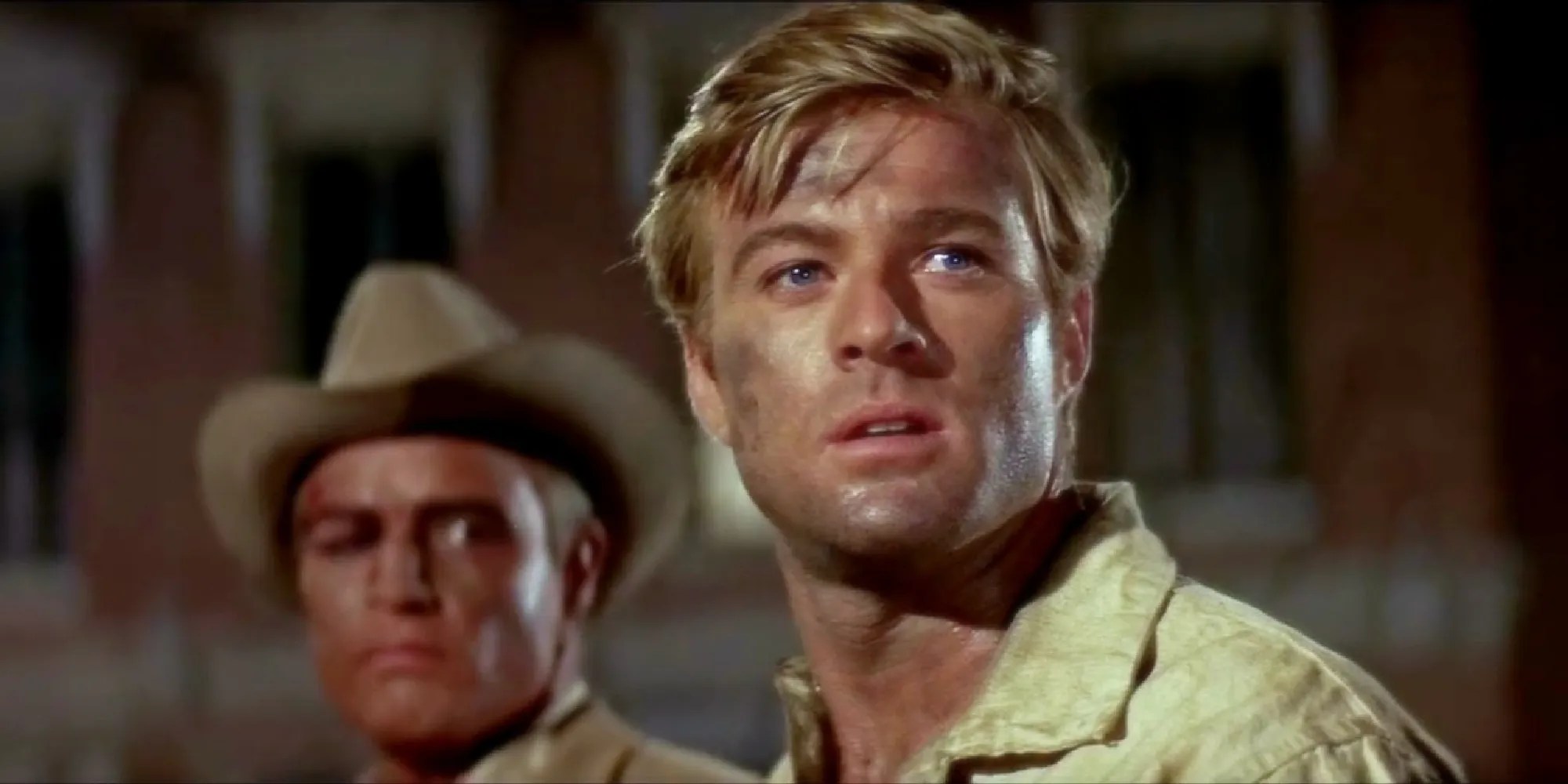
Robert Redfords Best Movies A Cinematic Journey
Lead: Robert Redford's impact on American cinema is undeniable, spanning decades as an actor, director, and producer. Exploring Robert Redford's best movies: a cinematic journey offers a profound dive into a career defined by diverse roles, iconic performances, and a significant contribution to storytelling both on screen and behind the camera. This article outlines the enduring appeal of his filmography, highlighting the key works that cemented his legacy and continue to captivate audiences worldwide, providing context on why his contributions remain relevant in contemporary film discourse.
What Is Robert Redford's Best Movies
Robert Redford's Best Movies: A Cinematic Journey refers to an exploration and appreciation of the most acclaimed and influential films throughout his extensive career. This concept encompasses his roles in genre-defining dramas, thrillers, and romantic epics, as well as his distinguished work as a director. It's a retrospective look at the films that not only showcase his acting prowess but also illuminate the evolving landscape of American filmmaking over the past six decades. The journey highlights:
- Iconic performances in films such as Butch Cassidy and the Sundance Kid, The Sting, and All the President's Men.
- His directorial triumphs, including the Academy Award-winning Ordinary People and critically lauded works like Quiz Show and A River Runs Through It.
- The consistent themes of individualism, political intrigue, and environmental consciousness present in many of his projects.
Why Robert Redford's Best Movies
The continued interest in Robert Redford's Best Movies: A Cinematic Journey stems from several factors, including recent retrospectives, streaming platform accessibility, and a renewed appreciation for classic cinema. As new generations discover his work, and long-time fans revisit beloved titles, the cultural significance of his filmography gains new traction. Film studies programs often feature his movies for their artistic merit and historical impact, while streaming services curate collections that make his vast body of work easily discoverable. Furthermore, his recent retirement from acting has prompted a global re-evaluation of his contribution to the arts, solidifying his status as a cinematic icon whose influence transcends time.
Dates, Locations, or Key Details
The cinematic journey through Robert Redford's career spans from his breakout roles in the 1960s to his final acting performances in the late 2010s. Key details for this exploration include:
- Early Career Defining Roles (1960s-1970s): Films like Barefoot in the Park (1967), Butch Cassidy and the Sundance Kid (1969), Jeremiah Johnson (1972), The Sting (1973), and All the President's Men (1976). These largely defined his screen persona and cemented his leading man status.
- Directorial Debut and Acclaim (1980s-1990s):Ordinary People (1980), which earned him an Academy Award for Best Director, followed by The Milagro Beanfield War (1988), A River Runs Through It (1992), and Quiz Show (1994).
- Sundance Institute and Film Festival: Founded by Redford in 1981, the Sundance Institute and its renowned Film Festival in Park City, Utah, became a pivotal platform for independent cinema, profoundly influencing the industry.
- Later Career Highlights (2000s-2010s): Notable performances in films such as All Is Lost (2013) and his final acting role in The Old Man & the Gun (2018).
How To Get Involved or Access Robert Redford's Best Movies
Experiencing Robert Redford's rich filmography is readily accessible through various platforms and methods:
- Streaming Services: Major platforms like HBO Max, Hulu, Amazon Prime Video, and Netflix often feature many of his most celebrated films. Subscribers can typically find a rotating selection of his work available for streaming.
- Digital Purchase/Rental: Individual films can be purchased or rented on demand through services like Apple TV, Google Play, YouTube, and Vudu. This provides access to films not currently included in subscription libraries.
- Physical Media: For collectors and cinephiles, many of Redford's films are available on DVD and Blu-ray, often with bonus features and director commentaries that deepen the viewing experience.
- Local Libraries and Film Archives: Public libraries frequently carry physical copies of classic films. Additionally, film archives and repertory cinemas occasionally host screenings or retrospectives dedicated to his work.
- Film Blogs and Databases: Websites like IMDb, Rotten Tomatoes, and various film critics' blogs offer comprehensive lists, reviews, and insights into his best movies, guiding viewers through his extensive career.
What To Expect
- Expect to encounter a wide range of genres, from Westerns and political thrillers to poignant family dramas and romantic comedies.
- Anticipate compelling performances from Redford, characterized by his charismatic screen presence and understated intensity.
- Prepare to witness films that are often considered benchmarks in American cinematic history, reflecting cultural and societal shifts.
- Discover how Redford's roles frequently embody a quintessential American spirit, often challenging power structures or championing environmental causes.
The Broader Impact of Robert Redford's Best Movies
The broader impact of Robert Redford's Best Movies: A Cinematic Journey extends beyond mere entertainment; it represents a significant chapter in American cultural and entertainment history. His work as an actor helped define an era, embodying a certain anti-establishment charm and intellectual gravitas that resonated deeply with audiences. As a director, he championed stories that were character-driven and often socially conscious, earning critical acclaim and commercial success. Perhaps his most enduring legacy is the Sundance Institute, which has nurtured countless independent filmmakers and fundamentally reshaped the landscape of American independent cinema, proving that quality storytelling can thrive outside the studio system. His commitment to diverse voices and unique narratives continues to influence film festivals and production companies globally.
Robert Redford's career is a masterclass in versatility and integrity. From his captivating on-screen presence to his groundbreaking work at Sundance, he consistently elevated the craft and championed authentic storytelling, leaving an indelible mark on Hollywood.
Economic or Social Insights
The economic impact of Robert Redford's career, particularly through the lens of Robert Redford's Best Movies: A Cinematic Journey, is substantial. His star power consistently drew audiences, contributing significantly to box office revenues for decades. Films like The Sting and Butch Cassidy and the Sundance Kid were massive commercial successes, influencing production trends and cementing the profitability of star-driven vehicles. Socially, many of his films tackled complex issues journalism's role in government (All the President's Men), environmental protection (The Horse Whisperer), and systemic injustice (Quiz Show) sparking public dialogue and reflecting societal anxieties and aspirations. The Sundance Institute, his brainchild, has fostered an entire ecosystem for independent film, creating jobs, stimulating local economies in Utah, and launching the careers of numerous directors, writers, and actors, a model often cited by publications such as Variety and The Hollywood Reporter as a benchmark for arts philanthropy.
Frequently Asked Questions About Robert Redford's Best Movies
- What is Robert Redford's Best Movies: A Cinematic Journey? It is an in-depth exploration and appreciation of the most critically acclaimed and culturally significant films throughout Robert Redford's extensive career as both an actor and director, highlighting his enduring legacy in cinema.
- Why is Robert Redford's Best Movies: A Cinematic Journey popular? Its popularity stems from the timeless appeal of his performances, the critical acclaim of his directed works, and the historical importance of his contributions to cinema, including his role in fostering independent film through the Sundance Institute.
- How can people participate or experience it? Audiences can experience this journey by watching his films on streaming platforms, purchasing digital or physical copies, attending retrospectives at film archives, or exploring comprehensive online film databases.
- Is it legitimate or official? While "A Cinematic Journey" is a descriptive phrase, the collection of films under discussion represents his legitimate and officially recognized body of work, critically celebrated and widely available.
- What can attendees or users expect? Viewers can expect to engage with classic American cinema, witness exceptional acting and directing, and gain insight into the cultural and historical contexts that shaped these influential films.
Conclusion
Robert Redford's Best Movies: A Cinematic Journey offers a compelling narrative of artistic excellence, societal reflection, and profound influence on the film industry. From his iconic roles in classic Hollywood to his pivotal work in fostering independent cinema through the Sundance Institute, Redford's career is a testament to the power of storytelling. His films continue to resonate, proving that quality cinema endures across generations and continues to inspire, entertain, and provoke thought. Exploring his filmography is not just a look back at an actor's career but an immersion into the rich tapestry of American filmmaking.
Call to Action: Embark on your own cinematic journey by exploring Robert Redford's filmography on your preferred streaming service or digital rental platform today, and discover the enduring legacy of one of cinema's most impactful figures.