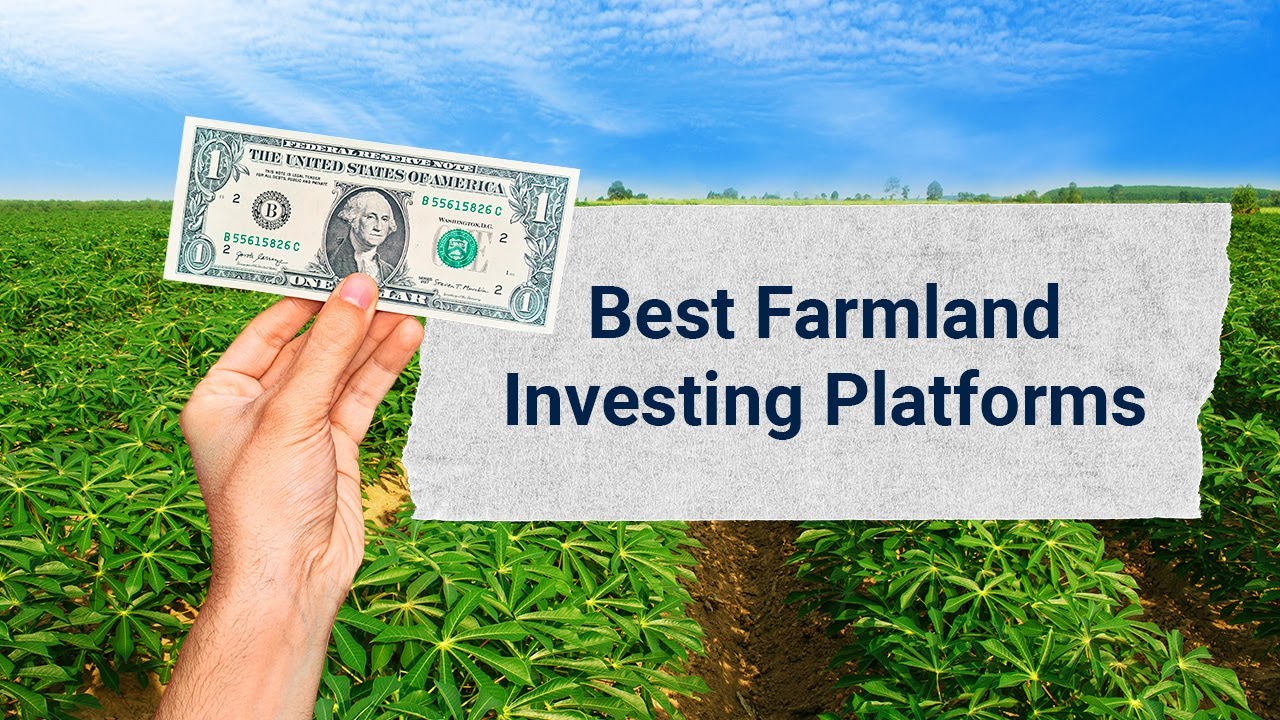
Investing In Tiny Farmland Plots Is It Worth It
Lead: In an evolving economic landscape, a burgeoning trend invites investors to consider a decidedly non-traditional asset: small agricultural parcels. The inquiry of whether investing in tiny farmland plots is it worth it has gained traction as individuals seek diversified portfolios, tangible assets, and a connection to sustainable practices. This article delves into the mechanics, motivations, and potential outcomes of this niche investment, offering a comprehensive look at its viability and what prospective investors need to know.
What Is Investing in Tiny Farmland Plots?
The concept of investing in tiny farmland plots revolves around purchasing or holding fractional ownership in small pieces of agricultural land. These plots can range from a few square feet in urban gardens to several acres on larger farms, often managed by a third party. Unlike traditional large-scale agricultural investments that typically require substantial capital, tiny farmland plots aim to lower the barrier to entry for a broader spectrum of investors.
- Fractional Ownership: Investors buy a share of a larger farm, rather than the entire property.
- Direct Plot Ownership: Purchase of a small, distinct parcel of land, sometimes for personal cultivation or leased to a local farmer.
- Community Supported Agriculture (CSA) Investments: Contributing capital to a farm in exchange for a share of its produce or profits.
- Crowdfunded Agricultural Projects: Pooling resources with other investors through online platforms to fund a farming operation.
Why Investing in Tiny Farmland Plots Is Trending
Several converging factors contribute to the increasing popularity of investing in tiny farmland plots. There is a growing societal emphasis on sustainable living, locally sourced food, and environmental stewardship, which aligns with agricultural investments. Economically, farmland has historically demonstrated resilience against inflation and market volatility, making it an attractive alternative asset class. Furthermore, the accessibility offered by fractional ownership models appeals to those who might not have the capital for traditional real estate or commercial farming ventures.
The rise of digital platforms has also democratized access to agricultural investments, enabling easier participation. Urbanization has also fueled a desire for tangible connections to food production, even if through indirect investment, making such plots emotionally as well as financially appealing.
Dates, Locations, or Key Details
While the concept of small-scale farming is ancient, the investment trend in tiny farmland plots as a distinct asset class has seen significant growth over the past decade, particularly since the mid-2010s. This movement is not confined to a single geographical area but is gaining traction in various regions across the U.S., especially near metropolitan areas where demand for fresh, local produce is high, and land values are appreciating. States like California, New York, Texas, and Florida, with their diverse agricultural industries and significant population centers, often see innovative models emerge.
Platforms facilitating these investments typically operate year-round, with specific harvest cycles dictating potential returns. Key details often involve:
- Investment Minimums: Ranging from a few hundred to several thousand dollars, depending on the platform and plot type.
- Management Structures: Professional farm management companies often oversee the day-to-day operations, providing expertise in cultivation, harvest, and sales.
- Crop Focus: Investments might specialize in high-value crops like organic vegetables, berries, specialty grains, or even orchards.
How To Get Involved or Access Investing in Tiny Farmland Plots
For individuals considering investing in tiny farmland plots is it worth it, several pathways exist:
- Research Investment Platforms: Explore online platforms specializing in agricultural crowdfunding or fractional land ownership. Examples include AcreTrader for larger fractional land investments or smaller, localized platforms focusing on specific community farms.
- Understand the Investment Model: Determine if the investment involves direct land ownership, a share in a farm's profits, or a loan to a farming operation. Each model carries different risk profiles and potential returns.
- Due Diligence on the Farm/Operator: Investigate the track record of the farm, its management team, and their agricultural practices. Look for transparency in operations, financial reporting, and sustainability commitments.
- Review Legal Documentation: Carefully examine offering circulars, partnership agreements, and any land deeds or leases. Understand the terms, fees, and exit strategies.
- Start Small: For newcomers, beginning with a smaller investment to understand the market dynamics and operational realities can be a prudent approach.
What To Expect
- Potential for Steady Returns: Farmland historically offers stable, albeit often modest, returns, derived from crop sales and potential land value appreciation.
- Long-Term Horizon: Agricultural investments are typically long-term, requiring patience for significant returns.
- Exposure to Agricultural Risks: Investors face risks such as weather variability, crop diseases, market price fluctuations, and operational challenges inherent to farming.
- Diversification Benefits: Farmland can act as a hedge against inflation and offers portfolio diversification due to its low correlation with traditional asset classes.
- Tangible Asset Ownership: The satisfaction of owning a physical asset that produces food and contributes to sustainability.
The Broader Impact of Investing in Tiny Farmland Plots
The trend of investing in tiny farmland plots extends beyond individual financial returns, influencing broader economic, social, and environmental spheres. It contributes to localized food systems, potentially reducing reliance on long supply chains and enhancing food security. For farmers, it offers a novel way to access capital without incurring traditional debt, fostering growth and innovation in sustainable agriculture. Socially, it reconnects investors with the origins of their food, promoting agricultural literacy and community engagement around land stewardship. Environmentally, such investments can support sustainable farming practices, biodiversity, and soil health, especially when platforms prioritize regenerative agriculture.
Investing in small agricultural parcels represents a fascinating convergence of financial diversification, sustainable practice, and community engagement. Its an accessible way for a new generation of investors to participate in an essential industry while potentially seeing tangible returns.
Economic or Social Insights
Economically, farmland has outperformed many asset classes over the long term, according to reports from entities like the National Council of Real Estate Investment Fiduciaries (NCREIF). Tiny farmland plot investments tap into this stability, offering a fractionated version of it. Data from sources like Business Insider and agricultural real estate journals indicate a steady appreciation in U.S. farmland values, driven by increasing global food demand and limited arable land. Socially, these investments align with a growing demographic of conscientious consumers and investors who prioritize impact alongside profit. The model democratizes access to an asset class traditionally reserved for the wealthy, fostering a more inclusive investment environment.
Frequently Asked Questions About Investing in Tiny Farmland Plots
- What is investing in tiny farmland plots? It involves purchasing small shares or direct ownership of agricultural land, often managed by a professional team, allowing individuals to invest in farming operations and potentially earn returns from crop sales or land value appreciation.
- Why is investing in tiny farmland plots popular? Its appeal stems from diversification benefits, potential inflation hedging, lower entry barriers compared to traditional farmland, and alignment with sustainable living values and the desire for locally sourced food.
- How can people participate or experience it? Participation typically involves researching and investing through online agricultural crowdfunding platforms, directly purchasing small plots of land, or becoming part of a community-supported agriculture (CSA) investment model.
- Is it legitimate or official? Yes, many reputable platforms and direct investment opportunities exist, operating under various regulatory frameworks for real estate or securities. Prospective investors should always verify the legitimacy and regulatory compliance of any platform or offering.
- What can attendees or users expect? Investors can expect a long-term investment horizon, potential for modest but stable financial returns, exposure to agricultural-specific risks (weather, market prices), and the satisfaction of contributing to sustainable food systems and tangible asset ownership.
Conclusion
The question, investing in tiny farmland plots is it worth it, yields a nuanced answer. For those seeking portfolio diversification, a hedge against inflation, and a tangible asset aligned with sustainable values, it presents a compelling opportunity. While not without its unique set of agricultural risks and a typically longer investment horizon, the burgeoning market for fractional farmland offers accessibility and purpose. As the global demand for food continues to rise and the desire for sustainable practices grows, this niche investment could play a significant role in both individual financial strategies and the broader agricultural landscape.
Call to Action: Individuals interested in this emerging asset class are encouraged to thoroughly research established agricultural investment platforms, consult with financial advisors, and explore local farming initiatives to understand the best fit for their investment goals and risk tolerance.