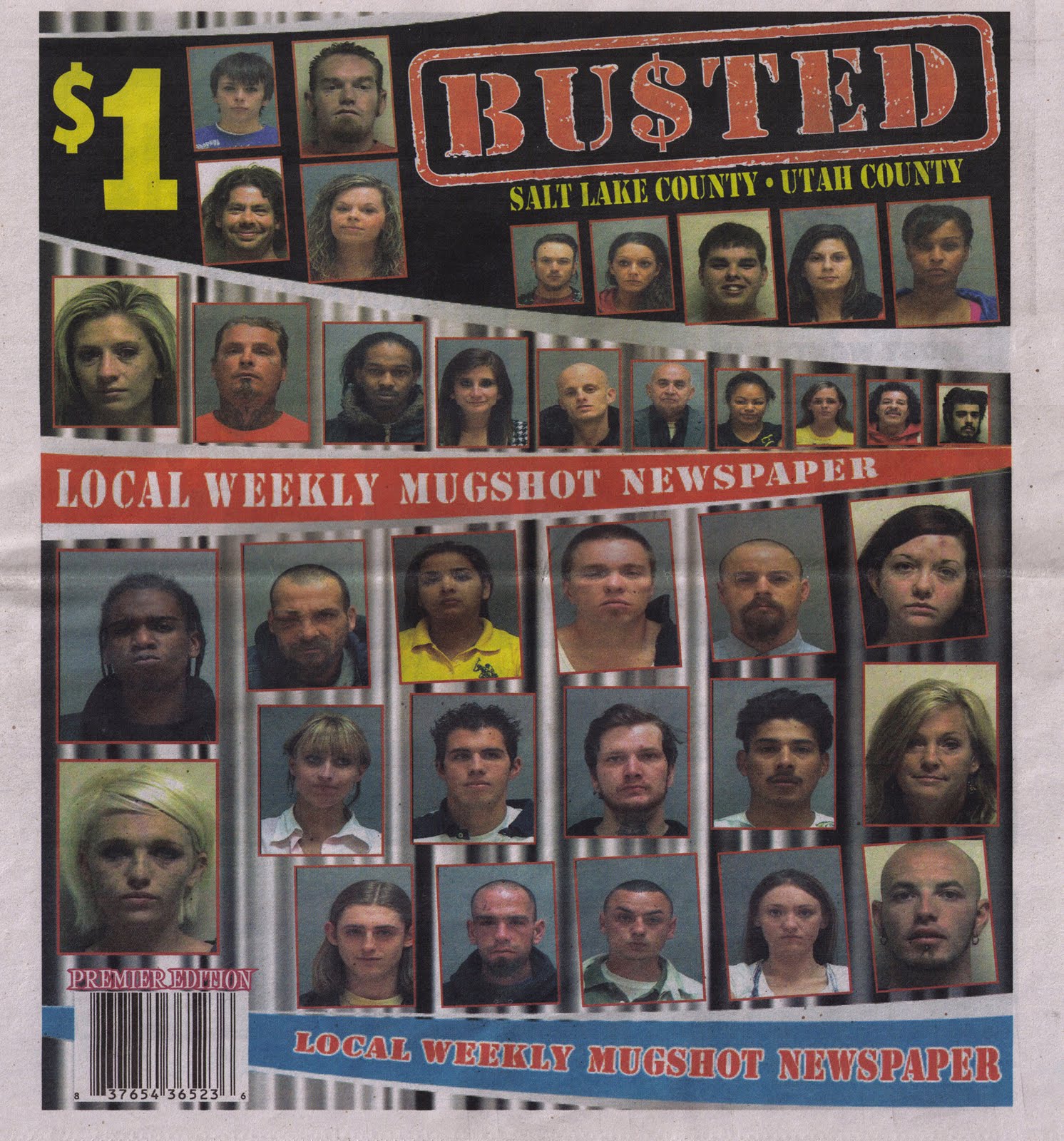
Busted Mugshots Magazine True Crime Arrests
Lead: In the sprawling landscape of true crime fascination, a particular niche has solidified its grip on public interest: publications centered around "busted mugshots magazine true crime arrests." This dynamic segment offers U.S. readers an immediate, unfiltered look into the aftermath of alleged criminal activity, often featuring booking photos and initial details surrounding an apprehension. From digital platforms to specialized print editions, these outlets cater to an audience eager for real-time insights into the justice system's initial stages, providing context and visual documentation that illuminates the consequences of alleged infractions. Understanding this phenomenon involves delving into its appeal, its evolution, and its place within contemporary media consumption.
What Is Busted Mugshots Magazine True Crime Arrests?
The term "busted mugshots magazine true crime arrests" encapsulates a specific genre of true crime content characterized by its focus on individuals who have been apprehended by law enforcement. These publications, whether in print or digital format, typically compile and present:
- Booking Photographs (Mugshots): The official photographs taken of individuals immediately following an arrest. These visuals are often central to the content's appeal.
- Arrest Details: Information surrounding the alleged crime, the circumstances of the arrest, and the initial charges filed against the individual.
- True Crime Narratives: Concise accounts of the incidents leading to the arrest, often drawing from police reports and public records.
- Legal System Insights: While often preliminary, the content frequently includes details about bonds, court appearances, and other initial judicial processes.
Why Busted Mugshots Magazine True Crime Arrests Is Trending
The burgeoning popularity of "busted mugshots magazine true crime arrests" can be attributed to several factors deeply rooted in human psychology and modern media consumption habits. The perennial fascination with true crime, amplified by podcasts, documentaries, and streaming series, has created a robust audience hungry for authentic narratives of crime and justice. Mugshots, in particular, offer a raw, immediate visual component that captures attention and generates curiosity about the individual and their alleged actions. This content taps into a desire for transparency regarding the justice system, allowing the public to observe, albeit remotely, the initial stages of legal proceedings. Furthermore, the rapid dissemination capabilities of digital platforms mean that information on arrests and accompanying mugshots can become widely available quickly, feeding a continuous demand for updated content. The blend of real-life drama, visual impact, and the perceived "unfiltered" nature of the information makes this genre particularly engaging for a U.S. audience deeply invested in both crime stories and community safety.
Dates, Locations, or Key Details
The evolution of content focused on "busted mugshots magazine true crime arrests" reflects a journey from traditional print to pervasive digital media. Historically, local newspapers and pulp magazines carried brief reports and often hand-drawn depictions or early photographs of arrestees. The advent of modern photography and accessible printing technologies allowed for more widespread publication of actual mugshots. In recent decades, the internet revolutionized this practice, enabling dedicated online platforms and digital magazines to aggregate arrest information from public records across various jurisdictions.Key developments include:
- Rise of Online Databases: Many states and counties now make arrest records and mugshots publicly accessible online, forming the raw material for these publications.
- Specialized Digital Publications: Niche websites and online magazines have emerged solely dedicated to curating and presenting "busted mugshots" alongside case summaries.
- Social Media Integration: Platforms like X (formerly Twitter) and Facebook are often used by these publications to share recent arrests, driving traffic and engagement.
How To Get Involved or Access Busted Mugshots Magazine True Crime Arrests
For those interested in exploring the world of "busted mugshots magazine true crime arrests," accessing this content is relatively straightforward through various digital and, occasionally, print channels. These platforms aim to keep readers informed about recent law enforcement activities and the individuals involved. Here are common ways to engage:
- Specialized True Crime Websites and Digital Magazines: Many online publications are dedicated exclusively to compiling and presenting arrest records, mugshots, and summaries of alleged crimes. A simple online search for "true crime arrests" or "mugshot magazines" will yield numerous results.
- Local News Outlets' Crime Sections: Many regional news websites maintain dedicated sections for local arrests, often featuring booking photos and details from police reports.
- Social Media Accounts: Numerous social media pages and profiles, often affiliated with the aforementioned websites, share daily or weekly updates on recent arrests. Following these accounts can provide a steady stream of information.
- Subscription Services for Niche Content: Some platforms may offer premium access or enhanced features for a subscription fee, providing more in-depth reporting or an ad-free experience.
What To Expect
- Detailed accounts of specific criminal incidents from official reports.
- High-resolution booking photographs (mugshots) of individuals who have been arrested.
- Information on initial charges, bond amounts, and preliminary court dates.
- A focus on recent arrests, often updated daily or weekly depending on the publication.
- Content spanning various alleged crimes, from misdemeanors to serious felonies, reflecting local law enforcement activities.
The Broader Impact of Busted Mugshots Magazine True Crime Arrests
The pervasive presence of "busted mugshots magazine true crime arrests" content carries significant broader implications across cultural, social, and even legal spheres. Culturally, it reinforces a public appetite for real-life drama and the human element of crime, often blurring the lines between news reporting and entertainment. Socially, these publications contribute to public awareness about local crime rates and law enforcement activities, fostering a sense of vigilance or, conversely, anxiety within communities. However, the widespread dissemination of mugshots also sparks crucial ethical debates concerning privacy, the presumption of innocence, and the potential for long-term reputational damage, especially for individuals whose charges are later dropped or who are acquitted. While some argue it promotes transparency in the justice system, others highlight the indelible public record created by an arrest photo, regardless of final legal outcome. The discussion around "busted mugshots" often intersects with conversations about the right to be forgotten in the digital age, influencing how individuals and society grapple with public information.
The publics interest in the immediate aftermath of an arrest stems from a deep-seated human curiosity about justice and accountability, but it also raises complex questions about individual privacy and the lasting impact of digital footprints, notes a legal observer.
Economic or Social Insights
Economically, the segment of "busted mugshots magazine true crime arrests" forms a notable niche within the broader digital media and true crime industries. These platforms often generate revenue through advertising, subscriptions, or a hybrid model, capitalizing on high user engagement driven by the compelling nature of their content. The consistent demand for updates on local and national arrests ensures a steady stream of traffic for these sites. Socially, these publications cater to a demographic that values transparency from law enforcement and is eager for details surrounding alleged criminal activities in their communities. While the editorial approach varies, many platforms maintain a straightforward, factual reporting style, drawing directly from publicly available government records. This contributes to a robust content ecosystem where information that might once have been confined to local police blotters now finds a national or even global audience, reflecting the evolving landscape of information dissemination in the digital age. Observations from digital analytics firms frequently highlight the robust engagement metrics associated with crime-related content, underscoring its significant market value.
Frequently Asked Questions About Busted Mugshots Magazine True Crime Arrests
- What is busted mugshots magazine true crime arrests? This refers to publications, primarily digital, that compile and feature booking photographs (mugshots) and details surrounding the arrests of individuals, providing quick overviews of alleged criminal incidents.
- Why is busted mugshots magazine true crime arrests popular? Its popularity stems from the inherent public fascination with true crime, the visual impact of mugshots, the desire for transparency in the justice system, and the immediate, real-life drama these accounts offer.
- How can people participate or experience it? Readers can access this content by visiting specialized true crime websites, digital magazines, local news crime sections, or following dedicated social media accounts that curate and publish arrest information.
- Is it legitimate or official? While the content is often compiled from legitimate, publicly accessible government records (like police reports and court documents), these magazines or websites are independent journalistic or commercial ventures, not official law enforcement publications.
- What can attendees or users expect? Users can expect detailed summaries of alleged crimes, accompanying mugshots of arrestees, information on initial charges, and preliminary legal proceedings such as bond amounts and court dates.
Conclusion
The phenomenon of "busted mugshots magazine true crime arrests" represents a compelling intersection of public curiosity, digital media accessibility, and the enduring human interest in the justice system. By offering a direct and often immediate look into the initial stages of criminal cases, these platforms fulfill a significant demand within the true crime genre. Their continuous evolution, from print precursors to sophisticated digital hubs, underscores their relevance in a media landscape that values real-time information and authentic narratives. As society continues to grapple with the balance between public transparency and individual privacy, these publications remain a focal point of discussion and engagement, reflecting deeply ingrained fascinations with crime, consequence, and the unfolding drama of human behavior.
Call to Action: To stay informed on the latest developments in real-time crime reporting, explore reputable online true crime magazines and dedicated arrest information websites. Engage with platforms that prioritize factual reporting from public records to deepen your understanding of these critical events.